Sesame Street: Elmo's World: Wild Wild West!(2001)
About Sesame Street: Elmo's World: Wild Wild West!
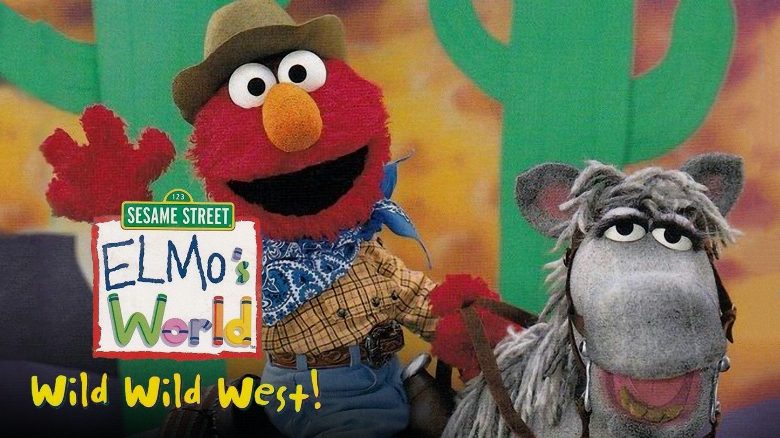
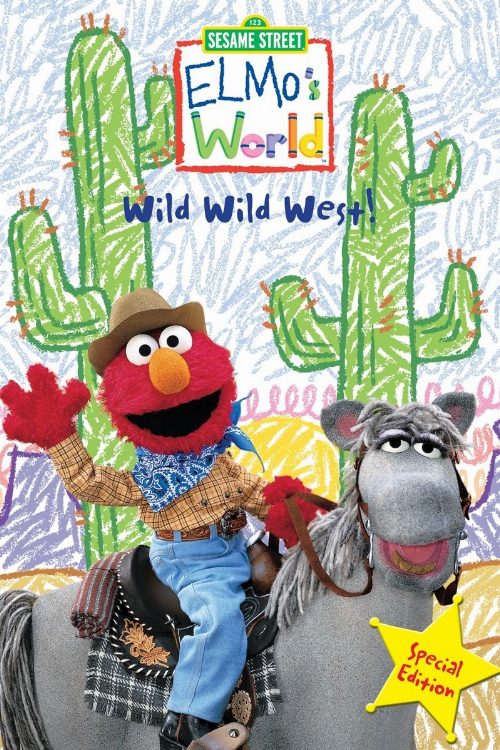
Sesame Street's favorite furry red cowpoke saddles up to learn all about the wild frontier. Join Elmo as he finds out how to ride a horse, kicks up his heels at a hoe down, boards a time-traveling magic stagecoach and more! Featuring classic cowpoke songs, and plenty of fun with his partners the Noodles, Marshall Grover and special guests, country singer Travis Tritt and Broadway's Kristin Chenoweth. Elmo takes viewers young and old on a wonderful ride through the very best of the Wild Wild West!
Stepping away from the high-octane drama and gritty realism that often dominate modern cinema, Elmos World Wild Wild West offers a whimsical detour into the formative landscape of children’s educational entertainment. While global audiences currently flock to the sprawling narratives of Indian cinema or the intense genre experiments of contemporary Hollywood, there remains an enduring demand for structured, character-driven storytelling designed specifically for the youngest demographic. This 2001 feature highlights a unique era of crossover appeal, blending the recognizable puppetry of the Sesame Street brand with a creative, thematic exploration of American folklore. It functions as a playful exercise in historical imagination, stripping away the complexities of the Western genre to focus on the curiosity and wonder of its iconic lead character.
What distinguishes this production from standard educational fare is its commitment to a specific aesthetic and musical identity. By incorporating the talents of notable performers like Kristin Chenoweth and Travis Tritt, the project elevates its production value, providing a bridge for adult viewers who appreciate Broadway flair and country music sensibilities. The inclusion of these special guests alongside the reliable comedic timing of Steve Whitmire and the late Michael Jeter suggests a project that values performance quality as much as pedagogical value. For fans of family-friendly cinema who are accustomed to the vibrant, high-energy musical sequences found in many South Indian films, the rhythmic structure of this production will feel surprisingly familiar. It prioritizes joyful movement and song as a means of discovery, mirroring the way global audiences use melody to drive emotional engagement in storytelling.
This film is positioned as an ideal choice for households seeking content that promotes interactive learning through narrative play. It avoids the cynicism of modern blockbusters, instead inviting viewers into a safe, controlled environment where the primary objective is the exploration of new environments and skills. For those who track the evolution of iconic characters, the performance of the lead puppet remains a masterclass in consistent character design and vocal delivery. Whether you are revisiting this for a sense of nostalgia or introducing it to a new generation of viewers, the film captures a specific moment in time where television icons successfully made the transition to standalone features. It remains a charming artifact of its period, showcasing how educational entertainment can maintain a sense of style and scale while keeping its core mission at the forefront of every scene.