About Shadow of God
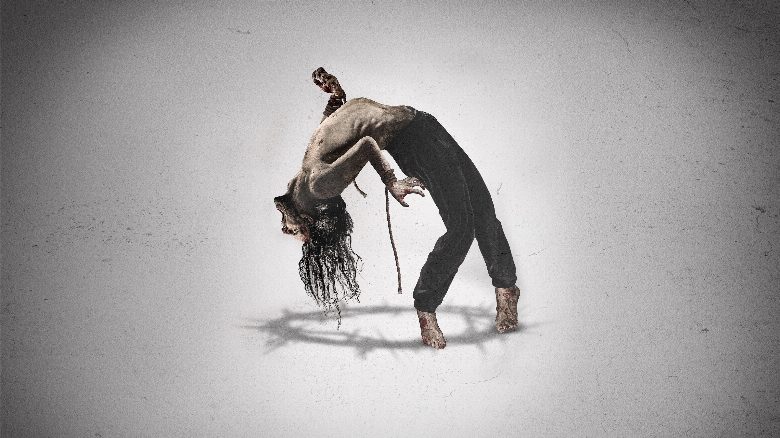
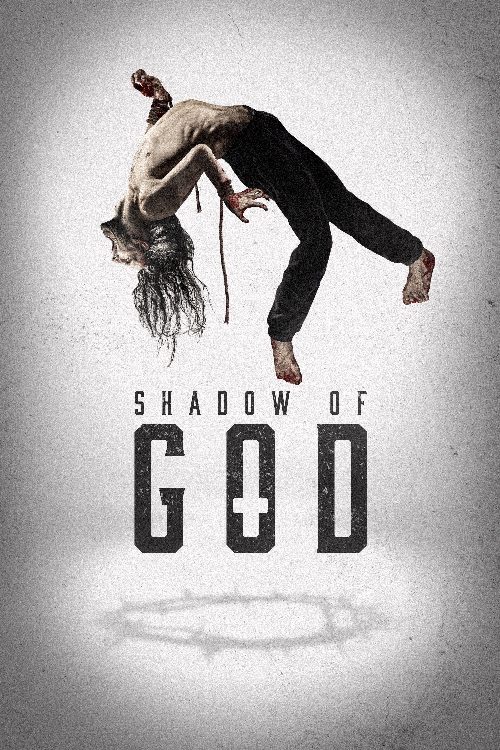
While performing an unauthorized exorcism on his father, an elite exorcist suspects the entity he's doing battle with might be a holy being – perhaps even God.
In an era where horror cinema often relies on predictable jump scares and repetitive demonic tropes, Shadow of God dares to pivot toward the existential and the blasphemous. Director Michael Peterson crafts a narrative that feels less like a standard possession flick and more like a theological thriller, focusing on the harrowing internal conflict of a man trained to purge evil who suddenly finds himself questioning the true nature of his adversary. By centering the tension on an unauthorized ritual involving a father and son, the film elevates the personal stakes, grounding its supernatural dread in the messy, complicated reality of family trauma. This is not merely a story about a spirit haunting a vessel but a deeper meditation on the blurred lines between divine intervention and malevolent influence.
The film distinguishes itself by challenging the binary of light versus dark that defines much of the subgenre. While mainstream horror audiences might anticipate a traditional battle between a priest and a demon, the premise suggests a more cerebral engagement with faith and morality. For viewers who appreciate the atmospheric intensity of films like The Exorcist or the psychological weight of modern elevated horror, this project offers a refreshing shift in perspective. The inclusion of seasoned performers like Mark O'Brien and Adrian Hough provides a necessary gravitas, ensuring that the heavy subject matter remains anchored in believable human desperation. It is a bold choice for an English-language production to lean into such provocative territory, effectively stripping away the comfort of religious certainty to leave the audience in a state of sustained unease.
Shadow of God is clearly positioned for the cinephile who enjoys horror that lingers long after the credits roll, specifically those who find the most terrifying concepts are those that threaten their fundamental worldviews. Peterson utilizes the isolated setting to claustrophobic effect, turning the act of exorcism into an intimate, high-stakes interrogation. Rather than leaning on excessive visual effects, the film appears to prioritize the power of performance and the weight of its central mystery. It is a compelling entry in the 2025 landscape, appealing to fans of slow-burn narratives who prefer questions over easy answers. Whether the entity at the center of the ordeal is truly a celestial force or something far more sinister, the film promises a journey that forces the viewer to confront the terrifying possibility that the divine might not be as benevolent as scripture suggests.
Cast(14)