About Shakma
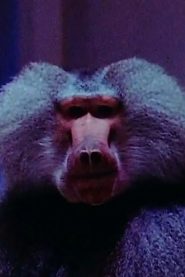
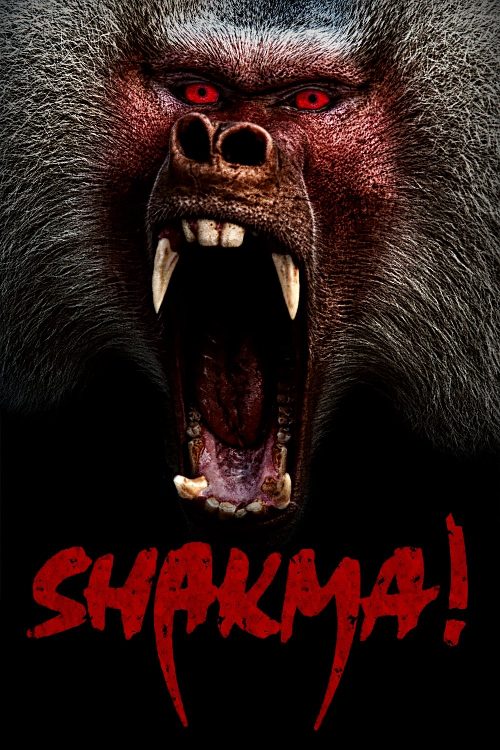
A murderous baboon escapes from a laboratory and roams the research building, and begins to kill some teenagers who are also in the building playing a Dungeons-and-Dragons type game.
The landscape of low budget genre cinema from the early nineties often prioritized claustrophobic tension over grand spectacle, a strategy clearly evident in the creature feature Shakma. While the contemporary Indian film market is currently obsessed with grand mythological epics and sprawling pan-Indian action sagas, there remains a niche but dedicated audience that appreciates the raw, unpolished intensity of classic Western B-movies. This production leans heavily into the enclosed setting of a medical research facility, utilizing the isolation of its nocturnal environment to transform a standard laboratory into a terrifying hunting ground. By centering its narrative on a group of students trapped within these walls, the film taps into a universal fear of being hunted by an unpredictable force in a place where safety should be guaranteed.
What distinguishes this experience from more mainstream horror offerings is the antagonist itself, which eschews supernatural tropes in favor of a biological threat. The film operates as a survival exercise, focusing on the psychological erosion of the characters as they realize their playful gathering has been subverted by a lethal primate. For fans of the survival horror subgenre, the appeal lies in the frantic pace and the stark reality of the threat. It echoes the spirit of experimental horror that defined the era, where limited resources forced filmmakers to rely on practical effects and high-stakes scenarios rather than digital enhancement. It is a stark reminder of a time when the concept of a rogue animal was enough to sustain a feature-length narrative without the need for complex world-building.
Director Hugh Parks approaches the material with a directness that characterizes much of the direct-to-video aesthetic of the time. The choice to utilize a real animal adds a distinct layer of unpredictability to the performance, creating a visceral sense of dread that computer-generated imagery often fails to replicate. Viewers who enjoy the grittier, more grounded entries in the horror canon will find this a fascinating study in minimalist suspense. It serves as an interesting historical artifact for those observing the evolution of the creature feature, particularly when contrasted with the high-gloss, high-budget thrillers that dominate the global box office today. For those who enjoy films that prioritize mood and the mechanics of a chase over elaborate exposition, this remains a quintessential piece of nineties cult cinema that effectively utilizes its narrow scope to deliver a relentless and high-tension experience.
Cast(11)