

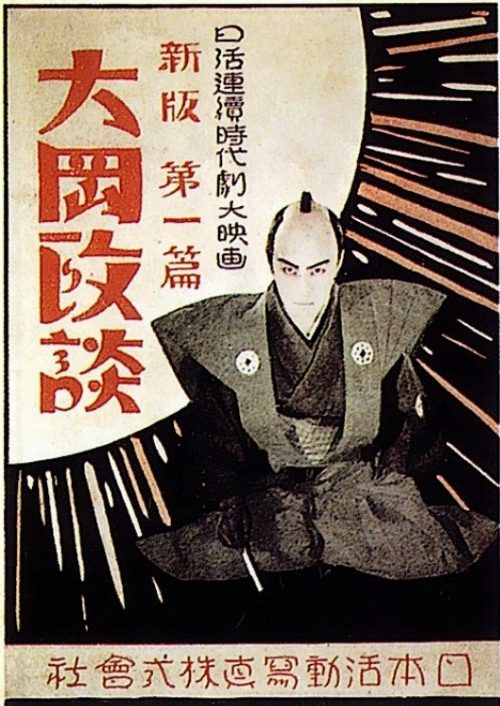
Shinpan Ôoka seidan: Dai-ippen(1928)
About Shinpan Ôoka seidan: Dai-ippen
Silent Japanese film.
Daisuke Ito remains a towering figure in the landscape of early Japanese cinema, and his 1928 work Shinpan Ooka seidan Dai-ippen captures the raw energy of a period when the jidaigeki genre was undergoing a radical aesthetic transformation. While many silent films of the era leaned into theatrical artifice, Ito utilized a kinetic, rhythmic editing style that breathed new life into traditional period tales. By focusing on the legendary magistrate Ooka Tadasuke, the film leans into the cultural fascination with incorruptible justice and the intricate social hierarchies of the Edo period. Denjiro Okochi delivers a performance that anchors the narrative with a stoic intensity, embodying the weight of authority while navigating a world defined by honor and hidden intrigue.
For viewers interested in the evolution of global action cinema, this film serves as a vital bridge between classical kabuki-influenced storytelling and the sharp, visual dynamism that would eventually define the samurai epic. The production is a testament to the technical ingenuity of the late twenties, showcasing how early filmmakers manipulated space and pacing to build tension without a single line of spoken dialogue. It stands out not merely as a historical artifact but as a masterclass in visual composition, where every movement of the blade or shift in posture communicates the gravity of the protagonist's moral dilemmas. Those who appreciate the grounded, character-driven narratives found in modern Indian period dramas like RRR or Ponniyin Selvan will find a familiar resonance here in the way the film balances grand spectacle with the intimate struggles of its central figure.
This specific chapter of the Ooka chronicle is essential viewing for anyone tracing the lineage of the detective archetype in Eastern storytelling. Ito was a director who refused to let his characters remain static, and his collaboration with Okochi created a template for the heroic lead that persisted for decades. The film invites the audience to observe the nuances of a bygone era, emphasizing the psychological burden of leadership and the complex nature of the legal system. It is a sophisticated piece of silent history that demonstrates how early Japanese studios were already experimenting with the same themes of duty and systemic corruption that continue to drive high-stakes storytelling in the modern Hindi and regional Indian film industries today. It is a mandatory experience for those who wish to understand the roots of the heroic justice narrative.



