

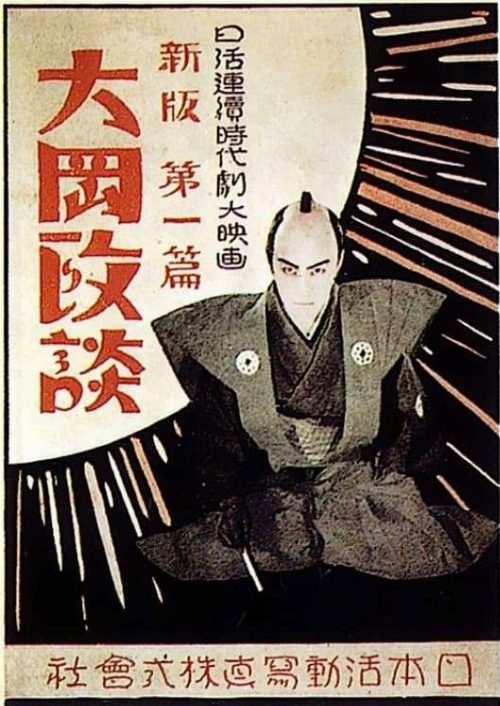
Shinpan Ôoka seidan: Dai-nihen(1928)
About Shinpan Ôoka seidan: Dai-nihen
Silent Japanese film.
Stepping back into the formative era of Japanese silent cinema, Shinpan Ooka seidan Dai-nihen serves as a compelling window into the aesthetic sensibilities that defined the countrys early twentieth-century motion picture landscape. At the heart of this production is Denjiro Okochi, a performer whose commanding presence helped solidify the archetype of the stoic, principled sword-wielding protagonist who navigated the intricate moral landscapes of period dramas. While contemporary audiences familiar with the vibrant output of industries like the Telugu or Tamil film worlds might find the lack of synchronized dialogue a stark departure, this film offers a masterclass in visual storytelling and gestural performance that transcends linguistic barriers. By focusing on the legendary judge Ooka Tadasuke, the narrative taps into deep-rooted cultural folklores that have remained staples of Japanese storytelling for generations, echoing the way Indian cinema frequently revisits historical and mythological figures to ground modern viewers in shared heritage.
The film distinguishes itself through a meticulous commitment to atmosphere and historical tension, placing the viewer directly within a society governed by rigorous hierarchies and the pursuit of justice. For those who appreciate the evolution of the jidaigeki genre, this entry is essential viewing, as it captures the raw, unadorned charisma of its lead actor before the advent of talking pictures reshaped the medium. The direction leans heavily into the stark contrast between light and shadow, a technique that would eventually influence the global noir movement and further cement the legacy of Japanese directors on the international stage. Watching a work from 1928 requires a shift in perspective, asking the audience to engage with the frame as a canvas for emotion rather than a vehicle for exposition.
Devotees of classic world cinema and historians of the medium will find much to admire in how the film manages to build suspense without a single spoken line. It functions as a bridge between the theatrical traditions of the kabuki stage and the emerging possibilities of camera-led narrative development. Whether one is a seasoned scholar of the golden age of international silent films or a curious cinephile looking to expand their horizons beyond the contemporary blockbusters of the Indian subcontinent, this piece remains a significant artifact. It invites viewers to slow down and appreciate the intricate choreography of movement and the subtle power of a well-timed gaze, offering a timeless look at a cinematic craft that paved the way for the sophisticated dramas we celebrate today.



