

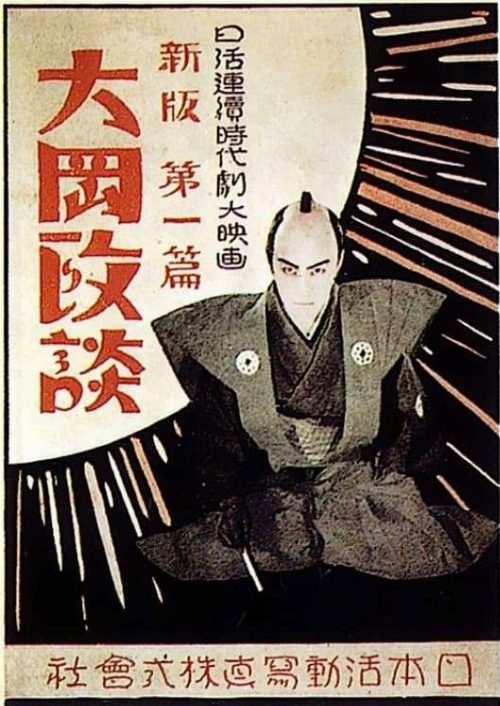
Shinpan Ôoka seidan; Daisanpen: Kaikatsuhen(1928)
About Shinpan Ôoka seidan; Daisanpen: Kaikatsuhen
Silent Japanese film.
Stepping into the world of Shinpan Ooka seidan Daisanpen Kaikatsuhen offers a rare glimpse into the kinetic energy of early Japanese cinema, a period defined by its reliance on visual storytelling before the advent of synchronized sound. As a product of the late twenties, this film captures the essence of the jidaigeki genre during its formative years. It serves as a vital piece of the puzzle for historians and enthusiasts of global film heritage, showcasing how traditional narratives were adapted for the screen at a time when the medium was rapidly evolving from a theatrical offshoot into a distinct artistic language. The production benefits from a cast of seasoned performers who were instrumental in shaping the aesthetic sensibilities of that era, bringing a level of disciplined physicality that remains captivating even to modern eyes accustomed to rapid-fire editing and digital effects.
The cultural significance of this work lies in its commitment to the Ooka Echizen lore, a staple of Japanese historical fiction that has seen countless iterations across both literature and film. By revisiting the legendary magistrate, the film taps into a deep well of national identity and justice-themed storytelling that resonates with the same cultural gravity found in the epic sagas of Indian regional cinema. Much like the period dramas coming out of the early Telugu or Tamil film industries, this Japanese feature utilizes a familiar archetype to explore themes of moral righteousness and societal order. Viewers who appreciate the structural beauty of classic period pieces, or those interested in the cross-cultural parallels between Asian historical storytelling traditions, will find this a fascinating case study in how narratives of legal and social conflict transcend linguistic borders.
For the modern cinephile, the appeal of this film is less about finding a fast-paced thriller and more about appreciating the craftsmanship of a bygone age. It stands as a testament to the directorial vision of the time, where every frame had to communicate emotion and intent through posture, lighting, and composition. While it may lack the contemporary gloss of current global releases, it possesses an authentic texture that is impossible to replicate. It is an essential watch for those who track the lineage of international film and wish to understand how the foundational tropes of hero-centric justice stories were cemented in the silent era. Engaging with this piece is an exercise in cinematic archeology, rewarding the audience with an appreciation for the roots of the epic dramas that continue to dominate screens across the globe today.



