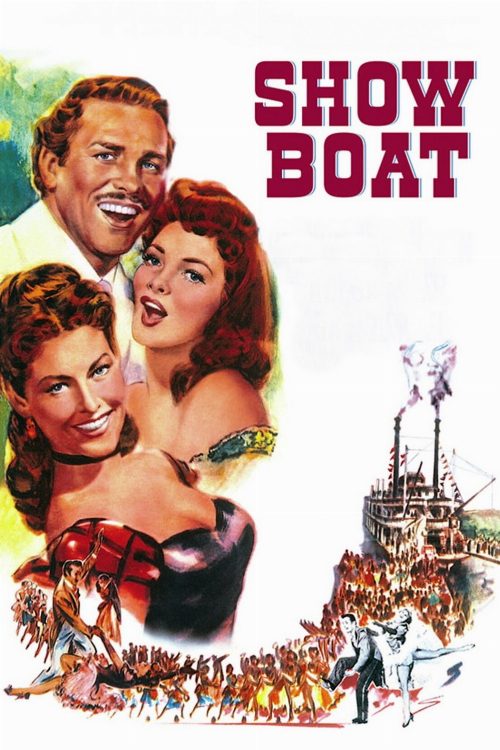
About Show Boat
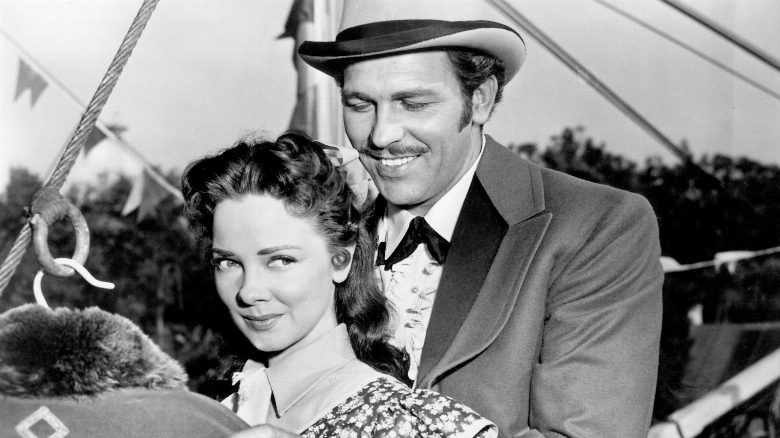
A dashing Mississippi river gambler wins the affections of the daughter of the owner of the Show Boat.
Decades before the modern musical spectacles dominated global cinema, the 1951 iteration of Show Boat stood as a towering achievement of the Technicolor era. While contemporary audiences might be accustomed to the high-octane song and dance sequences found in recent pan-Indian hits from the Telugu or Hindi industries, this classic offers a different kind of rhythmic storytelling. Set against the backdrop of the churning Mississippi River, the narrative explores the intersection of professional ambition and romantic entanglement, serving as a foundational text for the genre of the character-driven musical. Its enduring legacy is tied to the way it balances grand production numbers with intimate, often melancholic, explorations of personal identity and social change, making it a precursor to the layered emotional dramas we frequently celebrate in modern Tamil and Malayalam cinema.
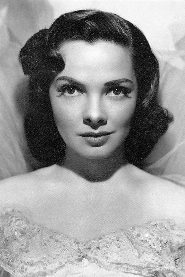
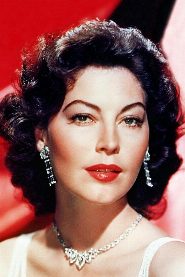
The film distinguishes itself through a sophisticated blend of period charm and sharp dramatic tension. At its center is the volatile connection between a charismatic riverboat performer and a man whose livelihood depends on the unpredictability of luck. Unlike many romantic comedies that rely on lighthearted misunderstandings, this production delves into the weight of legacy and the sacrifices required to maintain a traveling life on the water. Ava Gardner and Kathryn Grayson anchor the proceedings with performances that demand gravitas, proving that the musical form can house profound narratives about life on the fringes of society. It is a work that captures the essence of a bygone American era while maintaining a thematic universality that resonates with anyone who appreciates the intersection of folklore and personal destiny.
Viewers who enjoy films that prioritize world-building and ensemble chemistry will find much to admire here. It is particularly well-suited for those who appreciate the aesthetic rigor of mid-century filmmaking, where every frame was meticulously composed to reflect the grandeur of the setting. Much like the ambitious multi-starrers that currently define the landscape of Indian commercial cinema, this movie relies on the interplay of strong personalities to drive the stakes higher. By focusing on the transient nature of the performers' lives, the film transcends its status as a simple period romance. It remains a essential watch for cinephiles interested in the evolution of the musical drama and how the integration of song and script has been perfected over the course of motion picture history.
Cast(25)