About Singin' in the Rain
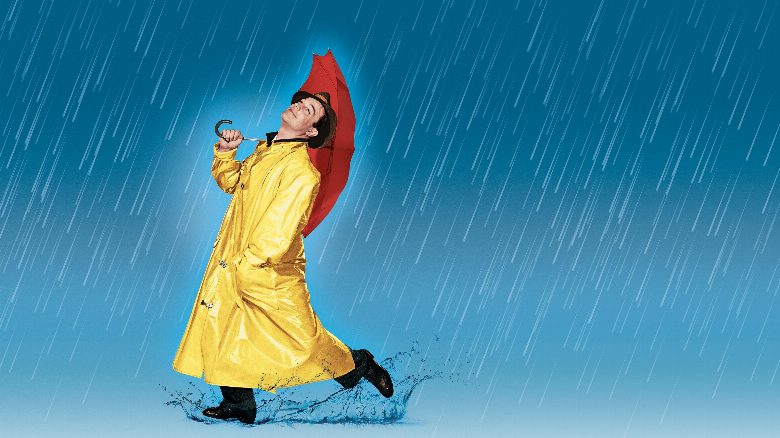
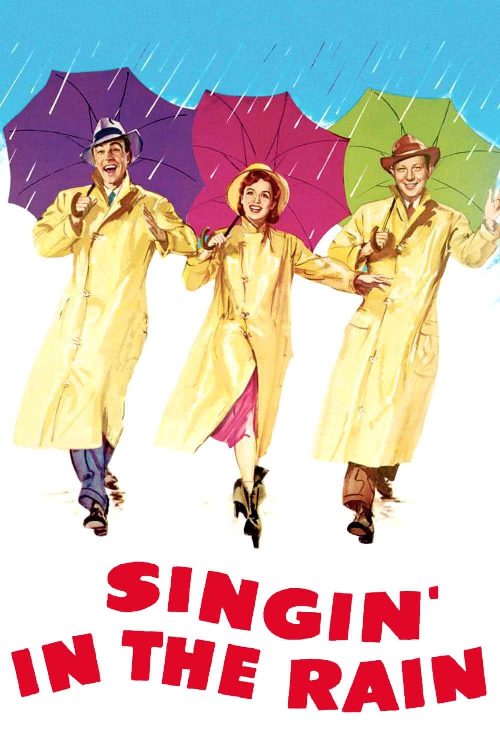
In 1927 Hollywood, a silent film star falls for a chorus girl just as he and his paranoid screen partner struggle to make the difficult transition to talking pictures.
Few cinematic achievements capture the frantic evolution of an industry quite like the 1952 masterpiece Singin in the Rain. While modern global audiences are accustomed to the seamless integration of sound and image, this vibrant musical serves as a meta-commentary on the chaotic period when Hollywood was forced to abandon the silent era. By focusing on the tectonic shift from visual pantomime to the spoken word, the film highlights the professional fragility of stars whose voices simply did not match their public personas. It is a brilliant satire of fame, ego, and the technical hurdles that once threatened to derail the most powerful studio heads in Tinseltown.
The film serves as a fascinating companion piece for enthusiasts of contemporary Indian cinema, where the transition from traditional theatrical melodrama to high-concept digital spectacle remains a recurring theme. Much like the ambitious narratives coming out of the Telugu or Tamil industries today, this production utilizes the musical form to heighten emotional stakes while maintaining a lighthearted, comedic touch. Gene Kelly delivers a performance that feels as kinetic and precise as the greatest dance sequences in recent pan-Indian blockbusters, proving that the language of physical storytelling transcends borders. For fans of the golden age of musicals, the chemistry between the leads and the sheer technical audacity of the choreography offer a masterclass in how to build a world that feels both artificial and deeply human.
Audiences who appreciate films that peel back the curtain on the creative process will find this essential viewing. It is positioned not just as a lighthearted romance, but as a love letter to the persistence required to master new artistic tools. Whether you are a regular reader of thebiographys.com looking to revisit a classic or a newcomer to the genre, the film offers a timeless lesson on adaptation and resilience. The director and star team created a benchmark for the genre that continues to influence how directors frame musical numbers in modern Hindi or Malayalam features. By balancing sharp wit with spectacular set pieces, the production ensures that the tension between technological progress and artistic integrity remains as relevant in the current streaming era as it was decades ago. It remains a definitive study of how an industry survives its own revolution, wrapped in a package of infectious energy and unrivaled technical craft.
Cast(156)