
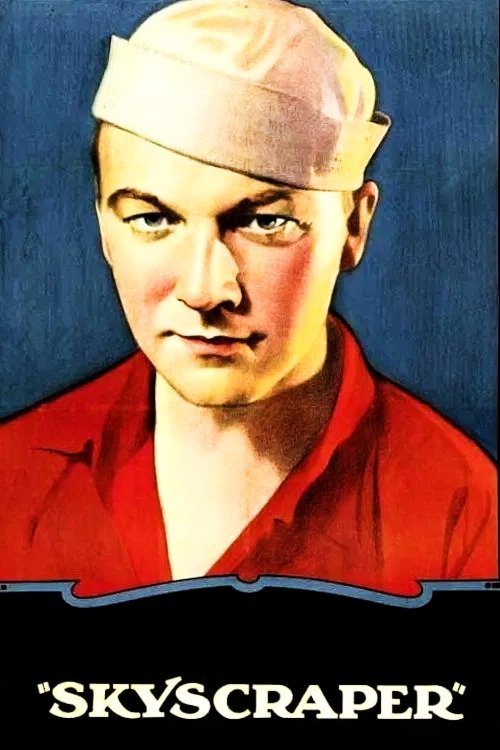
About Skyscraper
Blondy and Swede are gruff best friends who build skyscrapers. Blondy gets sweet on a girl he saves from a falling beam, Sally, but when he is injured in an accident and temporarily crippled, he rejects her. Swede tries every desperate measure to get Blondy to fight back, to try to walk, even masquerading as stealing Sally away from him.
The towering steel skeletons of a rapidly modernizing urban landscape serve as the backdrop for Skyscraper, a poignant silent era drama that captures the grit and camaraderie of early twentieth-century construction workers. Directed by Howard Higgin, the film finds its emotional core in the bond between two riveters, Blondy and Swede, whose friendship is tested not by the physical dangers of their profession, but by the psychological toll of a life-altering accident. While the film belongs to a bygone era of American cinema, its exploration of masculine pride and the fragility of human independence resonates with themes often explored in contemporary Indian dramas, where the emotional stakes of brotherhood frequently anchor high-concept narratives. The film distinguishes itself by focusing on the domestic and personal fallout of industrial labor, pivoting away from the romanticized spectacle of city-building to examine the quiet, painful struggle of recovery.
William Boyd and Alan Hale deliver performances that balance the rough-hewn physicality required of ironworkers with the vulnerability needed to sell the central conflict. When a tragic mishap leaves Blondy incapacitated, the dynamic shifts from mutual reliance to a tense standoff of stubborn egos. The narrative trajectory, which involves Swede attempting to provoke his friend back to vitality through a ruse involving a love interest, echoes the kind of intense character-driven storytelling that audiences of modern Telugu or Tamil cinema would find familiar. It is a story about the stubbornness of the human spirit and the lengths to which a true friend will go to save someone from their own despair.
Viewers who enjoy character studies that prioritize interpersonal chemistry over elaborate plot mechanics will find this film particularly compelling. Despite being nearly a century old, the film retains a raw, unvarnished quality that feels surprisingly grounded. It is a must-watch for cinephiles interested in the evolution of male friendships on screen and the way early filmmakers utilized vertical urban spaces to mirror the internal aspirations and anxieties of their protagonists. By stripping away the dialogue and relying on the expressive capabilities of its cast, the film offers a masterclass in visual storytelling, proving that the most profound dramas are often those built on the shifting foundations of human pride and devotion. Those who appreciate the grounded, realistic explorations of life found in the best of global independent cinema will likely find this historical piece both engaging and structurally sophisticated.