About Slaw
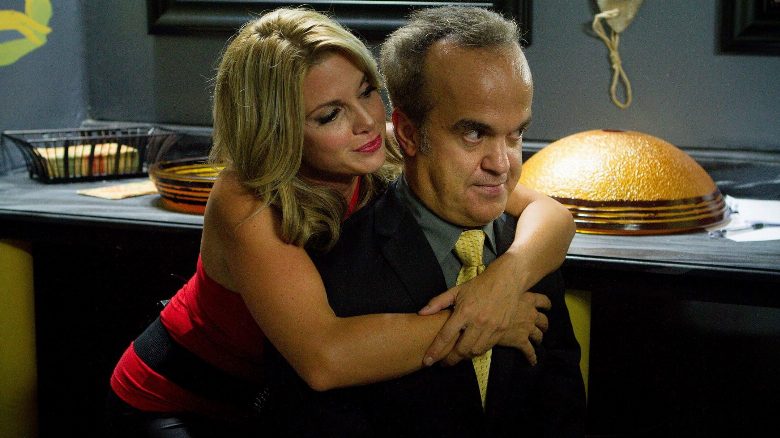
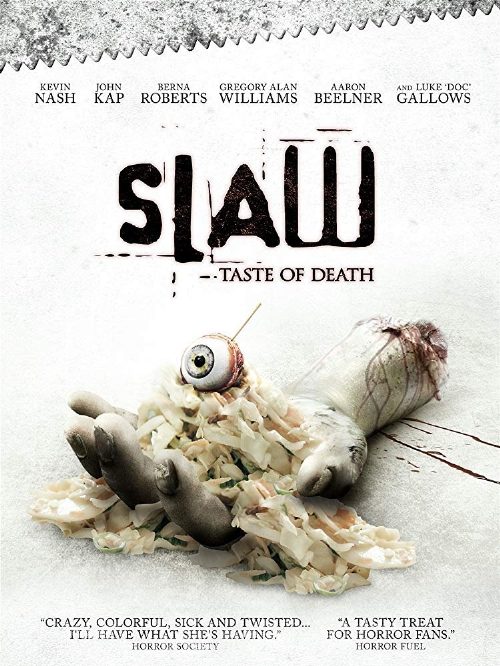
Two "foodie" brothers kidnap and torture those who ruin their "dining experience". A Parody of the Saw Saga
Culinary obsession takes a sinister and darkly humorous turn in the 2017 independent production Slaw, a film that weaponizes the pretension of high-end dining culture. While the horror genre is frequently saturated with supernatural entities or slasher tropes, this project carves out a niche by focusing on the extreme frustrations of two brothers who view bad manners in a restaurant as a capital offense. By framing their sadistic tendencies through the lens of a gourmet obsession, the film creates a jarring juxtaposition between the refinement of fine food and the visceral nature of their criminal activities. It is a bold exercise in low-budget satire that targets the self-serious tone of modern torture-porn franchises while maintaining its own erratic, comedic rhythm.
For viewers who grew up during the height of the mid-2000s psychological horror boom, Slaw acts as a surreal mirror held up to the tropes that defined that era. Instead of complex moral dilemmas or intricate survival games, the protagonists here are motivated by petty grievances, turning the screen into a stage for bizarre, kitchen-themed retribution. This is not a film for those seeking a traditional narrative arc or high-concept thrills; rather, it appeals to fans of cult cinema who appreciate a movie willing to lean into its own absurdity. The ensemble cast, featuring performances by Ozzie Carnan Jr. and Alpha Trivette, commits fully to the heightened reality of the script, navigating the thin line between genuine menace and outright mockery.
The film occupies an interesting space within the broader landscape of independent genre cinema, proving that even the most grim concepts can be subverted when treated with a sense of playful irreverence. In the context of global film trends, where audiences are increasingly hungry for genre-bending experiments, Slaw stands out as a curiosity for those who enjoy satirical takes on iconic horror legacies. It avoids the trap of being a dry imitation, opting instead for a frenetic, campy approach that prioritizes shock value and situational irony over polished production design. Whether you view it as a commentary on the obsessive nature of modern foodie subcultures or simply as a niche parody, the film remains a distinctive outlier in the vast library of independent horror comedies. It serves as a reminder that the most unsettling horror often stems from the most mundane of human neuroses, especially when paired with a sharp knife and a complete lack of restraint.
Cast(45)