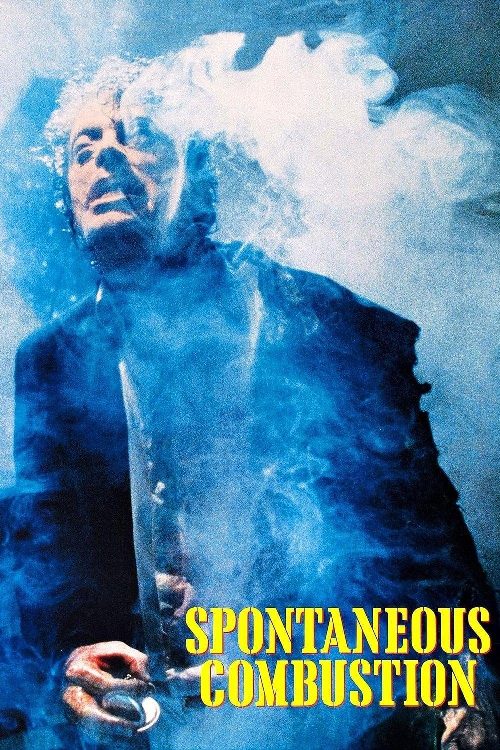
Spontaneous Combustion(1990)
About Spontaneous Combustion
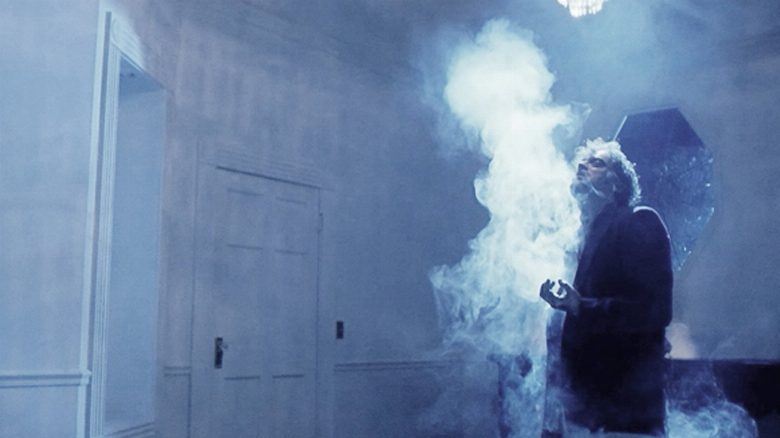
A young man learns that his parents had been used in an atomic-weapons experiment shortly before his birth, and that the results have had some unexpected effects on him.
The chilling legacy of Cold War paranoia finds a visceral, terrifying outlet in the 1990 cult classic Spontaneous Combustion, a film that serves as a grim reminder of how human hubris can rewrite the fundamental laws of biology. Directed by the legendary Tobe Hooper, who carved his name into the annals of horror history with The Texas Chain Saw Massacre, this project pivots away from the slasher tropes he helped define to explore the encroaching dread of science gone wrong. While contemporary Indian audiences who frequent sites like ours are accustomed to high-concept supernatural thrillers or mythological dramas, this English-language feature offers a distinctly Western brand of body horror that feels strikingly relevant in an era obsessed with the consequences of unchecked technological advancement and genetic modification.
The narrative follows a protagonist whose life unravels when he discovers that his existence is not an accident of nature but the byproduct of classified nuclear testing. As he grapples with the realization that his own body has become a volatile vessel for uncontrollable thermal energy, the film shifts from a domestic mystery into a high-stakes struggle for identity. Brad Dourif delivers a characteristically intense performance, grounding the more outlandish sci-fi elements in a palpable sense of confusion and burgeoning rage. Unlike the more polished, big-budget blockbusters dominating today’s global box office, this film relies on an atmosphere of paranoia and the unsettling notion that our past can literally burn our future to the ground.
Those who appreciate psychological horror that prioritizes character instability over cheap jump scares will find much to admire in this mid-career effort from Hooper. It is a quintessential entry for fans of late twentieth-century genre cinema who enjoy tracking how directors experiment with the intersection of government conspiracy and physical mutation. While it lacks the sprawling scale of modern pan-Indian epics, its focus on a singular, doomed individual provides a claustrophobic tension that keeps viewers tethered to the screen. For anyone interested in the evolution of science fiction horror, this remains a fascinating case study in how a director can take a premise rooted in atomic-age anxiety and transform it into a haunting exploration of internal trauma. It stands as a testament to Hooper’s ability to find the macabre in the mundane, inviting us to look past the surface of our own biology to see what dark sparks might be waiting to ignite.
Cast(33)