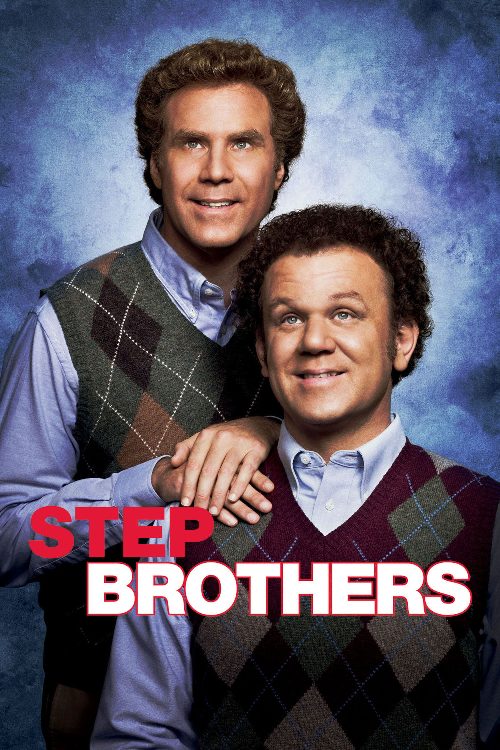
About Step Brothers
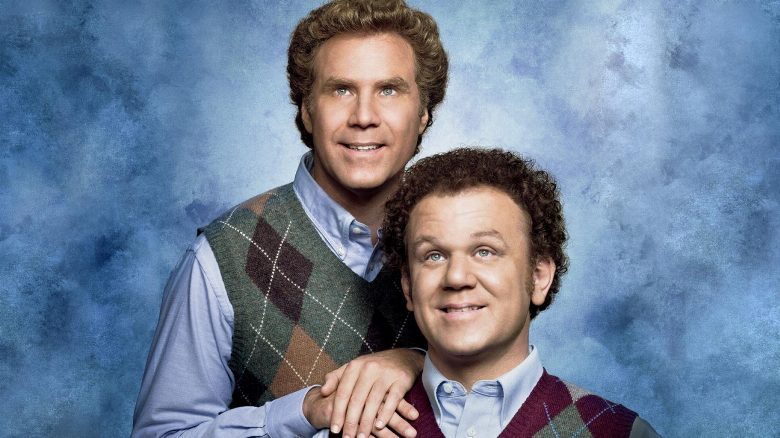
Brennan Huff and Dale Doback might be grown men. But that doesn't stop them from living at home and turning into jealous, competitive stepbrothers when their single parents marry. Brennan's constant competition with Dale strains his mom's marriage to Dale's dad, leaving everyone to wonder whether they'll ever see eye to eye.
The premise of Step Brothers taps into a specific brand of arrested development humor that resonates deeply with audiences who appreciate the absurdity of prolonged adolescence. While many contemporary comedies attempt to balance heart with chaos, this film leans entirely into the friction created when two middle-aged men are forced into the same household. It serves as a quintessential example of the late two thousands studio comedy, prioritizing surreal outbursts and escalating social awkwardness over traditional narrative structures. For viewers familiar with the high-energy, improvisational style often championed by Will Ferrell and John C. Reilly, this project represents a peak in their collaborative comedic partnership, showcasing a chemistry that transforms mundane domestic grievances into memorable cinematic set pieces.
Within the landscape of global cinema, particularly when viewed through the lens of Indian film industries like Hindi or Telugu cinema, the concept of the man-child remains a complex trope. While Indian films often navigate the transition to adulthood through familial responsibility and societal expectations, this American comedy takes the opposite approach by celebrating the total rejection of maturity. It functions as a mirror to our own cultural fascinations with family dynamics, highlighting how the blending of two households can trigger regressive behaviors even in the oldest members of the family. The film excels for audiences who enjoy character-driven scenarios where the stakes are intentionally low, but the emotional volatility is cranked up to a frantic, hilarious maximum.
Director Adam McKay crafts a vision that is less about plot progression and more about the relentless commitment to a bit. By focusing on the petty rivalries between two men who refuse to grow up, the film offers a satirical look at the fragility of adult egos when confronted with new family hierarchies. It is an ideal pick for those seeking a viewing experience that relies on physical comedy and sharp, deadpan delivery rather than complex subplots. Whether or not you relate to the specific frustrations of the characters, the film stands out as a bold exploration of what happens when the traditional family unit is disrupted by stubborn, oversized personalities. It remains a staple of the genre for anyone interested in how Hollywood comedies from that era managed to turn sheer annoyance into an art form.
Cast(35)