About Still/Born
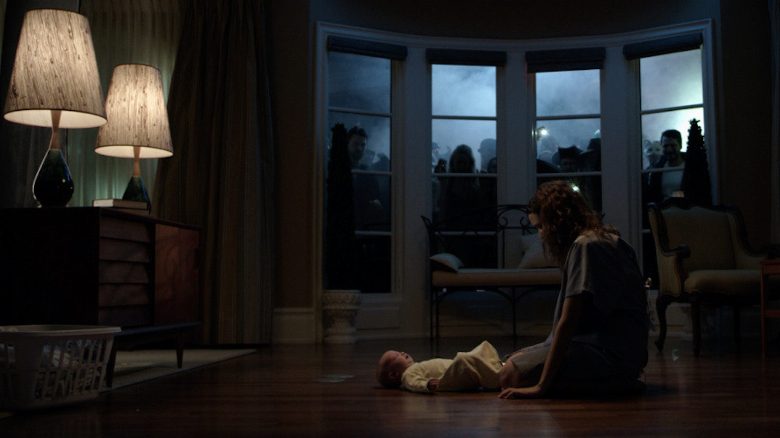
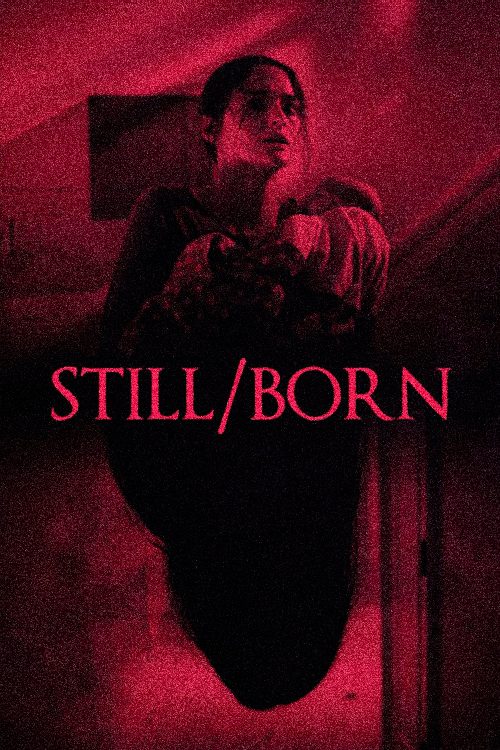
Still/Born follows Mary, a new mother who lost one of her twins in childbirth. As she struggles with the loss of one of her children, she starts to suspect something sinister is after her surviving child – a supernatural entity that has chosen her child and will stop at nothing to take it from her.
The profound psychological weight of maternal grief serves as the primary engine for Still Born, a chilling exploration of trauma that transcends the standard tropes of the supernatural horror genre. While many films in the English language market lean heavily on jump scares and loud sound design, this production chooses to anchor its terror in the quiet, agonizing reality of a mother grappling with the aftermath of a traumatic delivery. By focusing on the isolating experience of postpartum depression and the irrational anxieties that follow a life-altering loss, the movie positions itself as a cerebral companion to modern classics that prioritize character development over mere spectacle. It is a stark departure from the fast-paced, high-octane storytelling often seen in the contemporary Indian regional cinema landscape, yet it shares a thematic DNA with psychological thrillers that examine the fragility of the human psyche under duress.
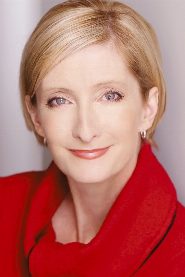
Viewers who appreciate slow-burn narratives that weaponize the domestic environment will find much to admire in the way the director crafts tension within the confines of a suburban home. The film effectively challenges the audience to distinguish between the protagonist’s deteriorating mental health and the genuine, inexplicable occurrences that threaten her newborn. Christie Burke delivers a performance that demands empathy, grounding the more fantastical elements of the plot in a visceral sense of desperation that remains palpable throughout the runtime. Rather than relying on gratuitous gore, the narrative builds a suffocating atmosphere of dread, making it an ideal watch for those who prefer their horror to linger in the mind long after the credits roll.
This project stands out because it treats the supernatural not just as a source of conflict, but as a metaphor for the guilt and protective instincts associated with early parenthood. For fans of films that explore the darker side of family dynamics, this 2018 release offers a sophisticated take on the protective mother archetype. Its relevance lies in how it dissects the intersection of grief and fear, challenging the viewer to consider if any home can ever truly be a safe harbor when the mind itself is fractured. It is a sharp, efficient piece of genre filmmaking that succeeds by understanding that the most frightening monsters are often the ones we imagine in our darkest moments of solitude.