About Sting of Death
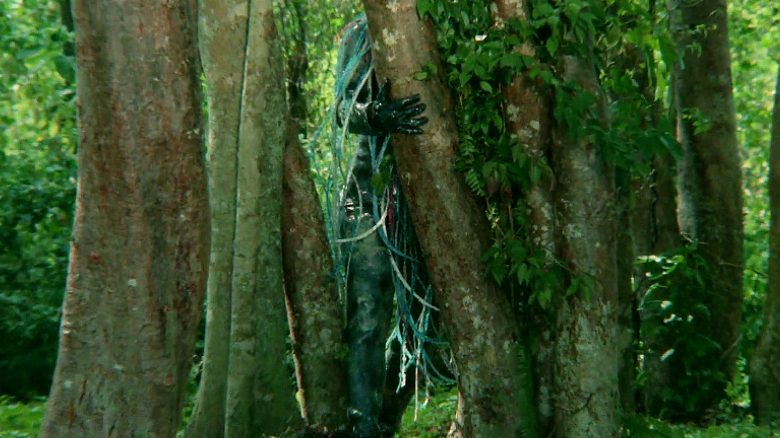
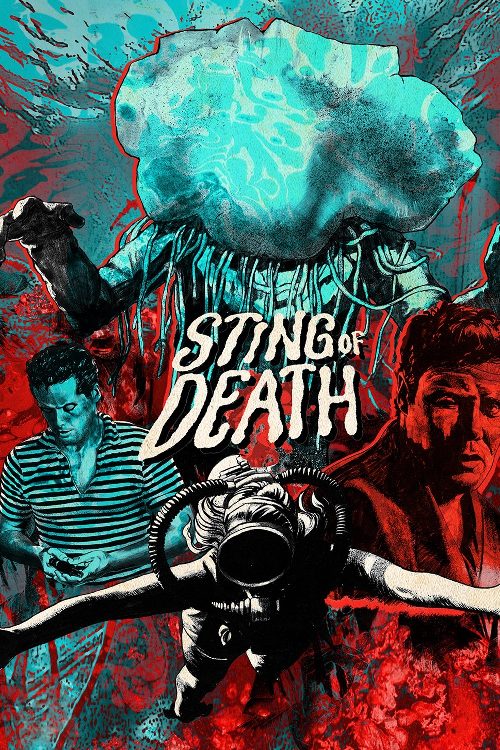
A group of biology students head to the Florida Everglades for a holiday, but instead of fun in the sun, they run into trouble with a mutated, bloodthirsty, and quite deadly jellyfish-man-monster.
Florida cinema in the mid sixties often leaned into the strange and the surreal, and Sting of Death remains a fascinating artifact of that low-budget era. Directed by William Grefe, this production leans heavily into the creature feature aesthetic that defined drive-in theaters across the United States during the decade. Unlike the polished studio horrors of the time, this film thrives on its eccentric premise involving a bizarre biological anomaly lurking within the lush, swampy backdrop of the Everglades. It captures a specific moment in American exploitation history where ambition frequently outpaced available technology, resulting in a distinct visual language that has since gained a dedicated cult following among genre enthusiasts.
The narrative follows a cluster of scholars whose academic excursion into the wilderness turns into a fight for survival against a local terror. While many contemporary horror films of the period focused on atomic mutations or extraterrestrial threats, this movie carves out its own niche by blending scientific curiosity with slasher-adjacent suspense. For viewers who appreciate the charm of practical effects and the raw ingenuity required to manifest a monster on a shoestring budget, the film offers a nostalgic journey back to the roots of independent horror. It is less concerned with high-concept scares and more invested in the atmosphere of isolation that only the Florida wetlands can provide.
William Grefe is well regarded by film historians for his ability to squeeze maximum impact out of minimal resources, and his work here serves as a quintessential example of his style. The cast, featuring Joe Morrison and Deanna Lund, manages to ground the absurdity of the central antagonist with earnest performances that keep the stakes feeling surprisingly urgent. Audiences who enjoy dissecting the evolution of monster movies or those who have an affinity for the gritty, unrefined aesthetic of sixties genre filmmaking will find plenty to analyze here. It serves as a testament to a time when imagination and a swampy location were all a filmmaker needed to create an enduring piece of cinematic folklore that continues to intrigue fans of offbeat horror today.