About ŠTÚR
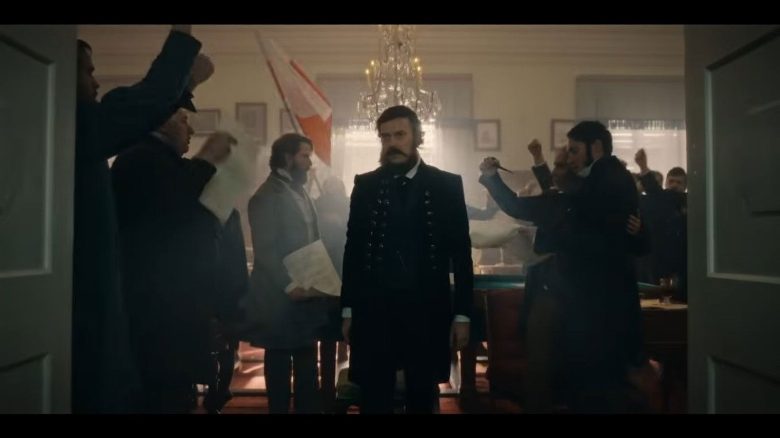
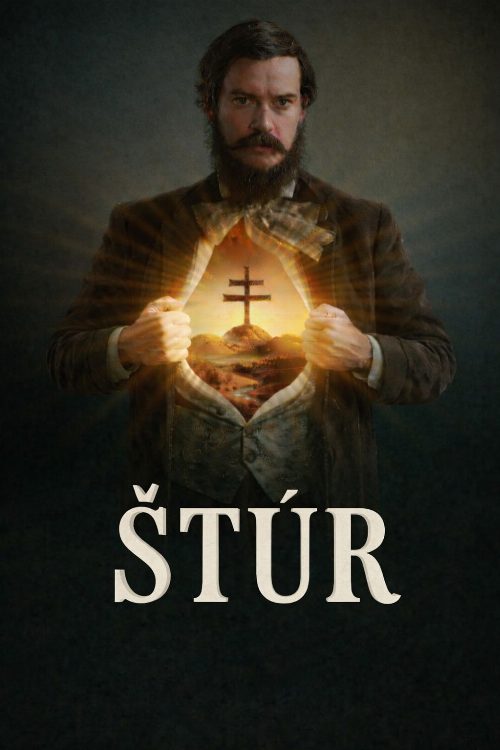
While visiting her uncle in Zemianske Podhradie, Adela, the only daughter of a respected nobleman and owner of an estate in Ostra Lúka, meets an extraordinary man. Scholar, philosopher and poet Ludovít Štúr rebels against social conditions in Hungary and, by drawing attention to political injustice, teeters on the edge of the law. 20-year-old Adela falls passionately in love with him against all common sense. She believes that if she manages to get him close to her, the proud and sarcastic man will begin to love her back. So she provides him with a temporary home in her mansion, pays for his private philosophy lessons and uses her father's influence to have Štúr elected to the Hungarian Diet. Just when it seems that Adela's plan is starting to succeed, a revolution breaks out and Ludevít is swept up in a whirlwind that will forever change Europe and their fate.
The cinematic landscape of 2026 finds a compelling anchor in Stur, a historical drama that pivots away from traditional battlefield epics to focus on the intimate, volatile intersection of intellectual fervor and unrequited devotion. Directed by Mariana Cengel Solcanska, the film offers a nuanced portrait of Ludovit Stur, the iconic Slovak philosopher whose ideological battles against the rigid structures of nineteenth-century Hungary provide a dramatic backdrop for a deeply personal story. While the film is rooted in the specific political climate of Central Europe, its exploration of a woman attempting to anchor a revolutionary heart within the confines of domestic life resonates with the same emotional intensity found in the sweeping period dramas of the Indian film industry. By centering the narrative on Adela, a noblewoman whose strategic efforts to capture the attention of a distracted visionary drive the plot, the movie transforms a standard biography into a sophisticated character study about the cost of idealism.
For viewers who appreciate cinema that balances high-stakes national history with the quiet tragedy of thwarted intimacy, this production is positioned as a standout entry in the year's European slate. It captures the spirit of an era defined by radical shifts in governance and identity, yet remains firmly focused on the human impulses that often undermine even the most calculated plans. The performance of the ensemble cast brings a modern urgency to the historical figures, ensuring that the dialogue and interpersonal dynamics feel relevant rather than dusty or academic. This approach makes the film accessible to a broad audience, particularly those who follow the current global trend of deconstructing national myths to find the complicated, often contradictory people beneath the statues.
Mariana Cengel Solcanska continues to refine her reputation for mounting visually evocative stories that interrogate the fragility of power and social standing. By placing Ludovit Stur at the mercy of both his political enemies and his own uncompromising intellect, the film avoids the pitfalls of hagiography. Instead, it invites the audience to observe how a man’s obsession with reforming a nation can simultaneously alienate those closest to him. Those who admire films that prioritize character-driven tension over spectacle will find much to admire here. It is a thoughtful exploration of how the tides of revolution can sweep away individual lives, leaving behind only the fragmented remnants of what might have been.
Cast(7)