About Sucker Punch
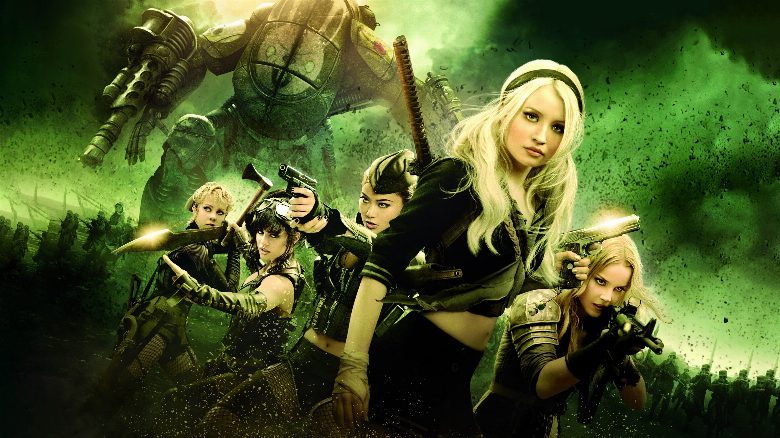
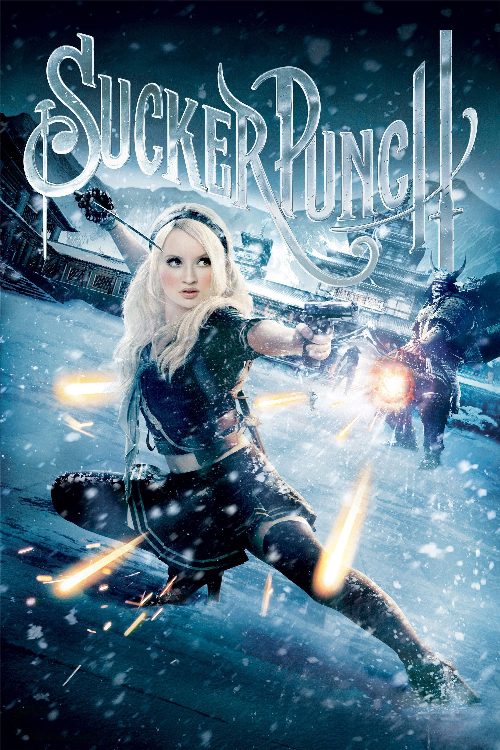
A young woman, institutionalized by her abusive stepfather, retreats into a vivid fantasy world where she envisions a plan to escape. Gathering a group of fellow inmates, she embarks on a quest to collect five mystical items, blurring the lines between reality and imagination.
Zack Snyder occupies a polarizing space in modern cinema, often celebrated for his hyper-stylized visual language and his penchant for turning standard narrative structures into operatic, music-video-inspired experiences. Sucker Punch serves as perhaps the most extreme example of this auteurist ambition, functioning less as a traditional thriller and more as a dense, layered fever dream that challenges the audience to distinguish between trauma and escapism. While the film is set within the grim, cold confines of a psychiatric facility, it quickly pivots into a high-octane spectacle where the protagonists navigate elaborate, anime-influenced combat zones. This juxtaposition of a bleak, grounded reality against a neon-soaked, superhuman battlefield highlights a recurring theme in the director's filmography: the attempt to find agency through extreme, almost mythological violence.
For viewers familiar with the current landscape of Indian cinema, where directors like S.S. Rajamouli or Prashanth Neel often blend hyper-real action with deeply emotional backstories, the aesthetic intensity of this film might feel strangely familiar. The way the movie utilizes slow-motion sequences and choreographed set pieces to heighten the stakes reflects a growing global appetite for cinema that prioritizes sensory overload. It is a bold experiment in world-building that does not hold the viewer’s hand, instead thrusting them into a series of surreal trials where the logic is governed by the rules of a video game rather than the laws of physics. Because of this, the experience is best suited for those who appreciate visual storytelling where the mood and texture of a scene are just as vital as the plot progression itself.
Ultimately, this project stands out as a unique relic of its era, marking a moment when big-budget studio filmmaking dared to lean heavily into abstract, psychological metaphors. The narrative arc, which centers on a collective pursuit of freedom through imagined obstacles, provides an interesting look at how we process hardship and the lengths to which one might go to reclaim a sense of autonomy. It is not a film that seeks to be universally accessible, but rather one that invites its audience to lean into its chaotic, stylized perspective. For fans of high-concept action who enjoy dissecting the intent behind a director's visual choices, it remains a fascinating study in how far a filmmaker can push the boundaries of genre convention before reality completely fractures.
Cast(59)


















Crew
Creature Design
Modeling
Visual Effects Producer
Fight Choreographer
Best Boy Electric
Camera Operator
Gaffer
First Assistant Camera
Dolly Grip
Similar Films