
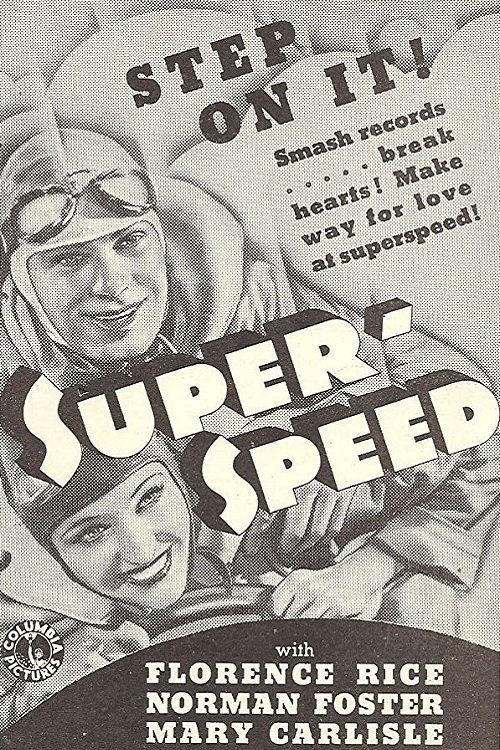
About Super Speed
A scientist invents a "superspeed" device that makes people fight for its ownership.
The golden age of Hollywood studio production in the mid thirties often favored fast paced narratives that blended scientific curiosity with the high stakes of industrial competition. Lambert Hillyer, a director whose career was deeply entrenched in the mechanics of genre storytelling, helmed Super Speed as a quintessential example of how the era navigated the intersection of innovation and corporate greed. The film centers on the volatile discovery of a revolutionary mechanical invention, a device capable of unnatural velocity that inevitably attracts the wrong kind of attention from opportunistic forces. Instead of falling into the trap of dry exposition, the narrative focuses on the escalating tension between those who wish to harness the power for progress and the ruthless entities determined to seize control for their own gain.
In the landscape of classic American cinema, this production occupies an interesting space where the wonder of human ingenuity is pitted against the cold pragmatism of the machine age. For modern audiences who follow the evolution of Indian cinema, it is fascinating to observe these early Western archetypes, which share a surprising amount of DNA with the high concept thrillers currently emerging from the Telugu and Hindi film industries. The struggle for a singular, life changing patent serves as a precursor to the modern techno-thriller, where the protagonist must navigate a web of betrayal while protecting their intellectual property. Norman Foster leads the cast with a grounded intensity that balances the frantic pace of the plot, supported by a veteran ensemble that understands exactly how to elevate the stakes without sacrificing character depth.
Viewers who enjoy vintage dramas that prioritize momentum over spectacle will find much to admire in the way the film constructs its central conflict. It is a lean, efficient piece of storytelling that exemplifies the studio system at its most disciplined, stripping away unnecessary flourishes to keep the audience focused on the looming threat of corporate takeover. While the technical capabilities of 1935 were far removed from today’s digital effects, the film effectively utilizes the concept of speed as a metaphor for the rapid industrialization of the time. This is an essential watch for cinephiles who appreciate the foundations of the race against time trope, offering a clear window into how early filmmakers visualized the ethical dilemmas surrounding breakthrough technology. By focusing on the human cost of ambition, the movie remains a relevant study of how power dynamics shift when an invention promises to change the world forever.
Cast(9)