
About Take Me Somewhere Nice
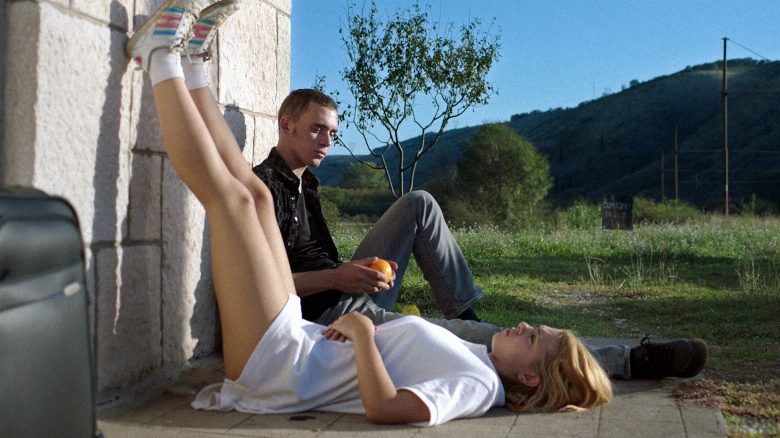
A teen raised in the Netherlands by her single mother travels to their native Bosnia to visit the father who left them, as he’s been admitted to a rural hospital. Joined by her cousin and his best friend, they hit the road.
Rooted in the complex intersection of identity and geography, Take Me Somewhere Nice captures the jarring transition of a young woman stepping out of her structured Western existence into the raw, unvarnished reality of her ancestral home. Ena Sendijarevic crafts a narrative that feels like a sun-drenched fever dream, moving away from conventional immigrant dramas to embrace a more surreal, detached aesthetic. By placing her protagonist, Alma, in the middle of a Balkans landscape that feels both intimately familiar and deeply alien, the director explores the friction between the person we are told we should be and the person we discover when untethered from our comfort zones. It is a bold piece of filmmaking that prioritizes mood and sensory experience over traditional plot mechanics, marking a significant entry in modern European independent cinema.
The film functions as a road movie that refuses to follow the typical beats of discovery and reconciliation. As Alma navigates the dusty roads with her cousin and his volatile companion, the journey becomes a study in shifting power dynamics and the awkwardness of familial ties that have withered over years of separation. For audiences accustomed to the high-energy storytelling found in regional Indian cinema, where emotional beats are often heightened and cathartic, this film offers a starkly different pace. It mirrors the quiet, lingering introspection found in the more experimental pockets of Malayalam or arthouse Hindi film, where the environment itself plays a character just as vital as the human leads. The stillness of the cinematography and the deliberate pacing will likely appeal to those who value atmosphere over fast-paced action.
What makes this project stand out is its refusal to romanticize the roots the protagonist is trying to unearth. Instead of finding a sense of belonging, Alma encounters a cultural landscape that is as indifferent to her arrival as it is unpredictable. This resonates with the broader global trend of stories exploring the second-generation experience, where the search for one’s origin often leads to more questions than answers. Ena Sendijarevic demonstrates a sharp eye for the absurdities of human behavior, ensuring that the film remains engaging despite its melancholy undertones. It is an ideal watch for viewers who enjoy character-driven dramas that challenge the viewer to sit with discomfort, offering a perspective on displacement that feels refreshingly honest and visually distinct. Those seeking a film that lingers in the mind long after the credits roll will find much to dissect in this evocative portrait of youthful aimlessness and cultural disconnection.