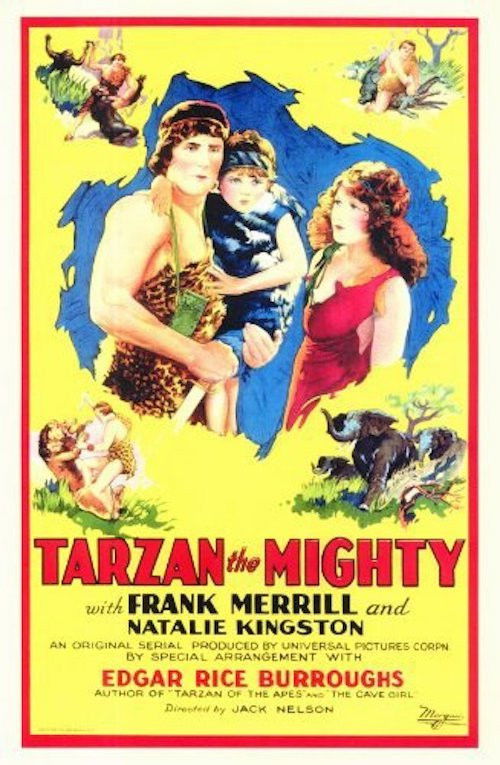
About Tarzan the Mighty
Mary and Bobby Trevor are castaways befriended by Tarzan. When Lord arrives, looking for the family heir, Black John tries to fill that role and marry Mary in England. Tarzan shows up and marries her instead.
Long before the cinematic landscape was dominated by complex CGI spectacles and sprawling shared universes, the silent era of Hollywood laid the groundwork for the modern blockbuster with Tarzan the Mighty. This 1928 adventure remains a fascinating artifact of early action filmmaking, capturing the primal allure of the jungle hero at a time when audiences were first learning to embrace the thrills of serialized storytelling. While contemporary viewers might find the pacing distinct from the high-octane rhythms of today’s Tollywood or Bollywood action epics, the film serves as a foundational text for the fish-out-of-water trope and the archetype of the noble wild man. By focusing on a narrative of identity, greed, and survival, it establishes a template that has been echoed in countless adventure dramas across global cinema for nearly a century.
The plot centers on a precarious situation involving castaways struggling for survival in an unforgiving environment, only to find an unexpected protector in the legendary jungle inhabitant. The conflict deepens as an outsider arrives with ulterior motives, attempting to exploit a family legacy for personal gain. This clash between the untamed, moral purity of the forest and the deceptive, calculated nature of civilized society creates a dynamic that feels surprisingly relevant even to modern audiences accustomed to complex morality tales. Frank Merrill steps into the iconic role with a physical intensity that defined the character’s early screen presence, emphasizing athleticism and raw capability over the nuanced dialogue-driven performances that would come to dominate later decades.
Film enthusiasts who appreciate the historical evolution of the action genre will find this feature particularly engaging as a bridge between stage-bound theatricality and location-based stunt work. It is an essential watch for those interested in the ancestry of the hero’s journey, offering a glimpse into how early directors utilized limited technical resources to convey large-scale excitement. For fans of Indian cinema, the film offers an interesting point of comparison to the way regional industries incorporate heroism and moral dichotomies into their own adventure narratives today. Jack Nelson captures the essence of the pulp adventure aesthetic with a clear commitment to visual storytelling, ensuring that the stakes remain high without the need for spoken exposition. This remains a quintessential example of how the silent screen communicated universal themes of honor and protection, cementing a legacy that continues to influence how we define the quintessential cinematic savior.
Cast(5)



Crew
Similar Films