About Tectonic Plates
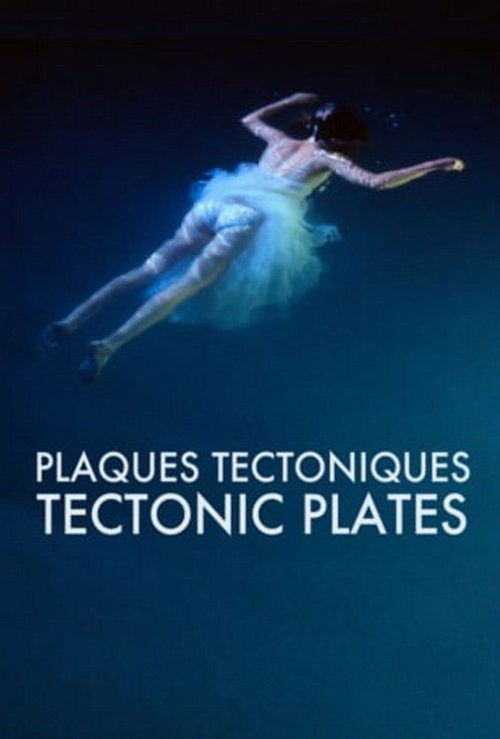
An adaptation of Robert Lepage's stage play about lost love and considered suicide.
Tectonic Plates serves as a fascinating relic of early nineties experimental cinema, capturing the theatrical brilliance of Robert Lepage during a pivotal era for Canadian arts. While much of the global cinematic landscape at the time was shifting toward glossy blockbusters, this film chose to embrace the raw, malleable boundaries of the stage. By translating a complex multimedia performance into a cinematic language, the project functions as a meditation on the invisible forces that pull humans together and push them apart. It remains a distinct entry in the genre of filmed theater, demanding a level of patience and intellectual engagement that feels surprisingly modern in today's era of rapid-fire content consumption.
The narrative structure operates much like the geological phenomenon referenced in its title, where slow, massive movements beneath the surface eventually manifest as dramatic shifts in the lives of the characters. At its core, the story examines the fragile connections between people drifting through different continents, navigating themes of abandonment, grief, and the existential weight of choosing to continue when life feels insurmountable. Because the film leans heavily into stylized visuals and non-linear storytelling, it resonates most strongly with audiences who appreciate art-house sensibilities and the work of auteurs who prioritize atmosphere over traditional plot progression. It is less about a straightforward sequence of events and more about the visceral experience of displacement.
Robert Lepage, a visionary force in multidisciplinary performance, provides a magnetic anchor for the production. His background in avant-garde theater is evident in every frame, as the film refuses to hide its artificiality, instead choosing to highlight the artifice as a way to explore deeper emotional truths. For viewers familiar with the evolution of independent cinema, this piece acts as a bridge between the intimate, stage-bound storytelling of the late eighties and the more fluid, visually adventurous films that would define the mid-nineties. It is an essential watch for those interested in the history of cross-media adaptation, offering a glimpse into a time when directors were boldly testing the limits of what a camera could capture in a space designed for live performance. If you are drawn to films that prioritize philosophical inquiry and dreamlike aesthetics, this work remains a significant, if challenging, milestone in the career of a truly unique creative mind.