
About The 3 L'il Pigs 2
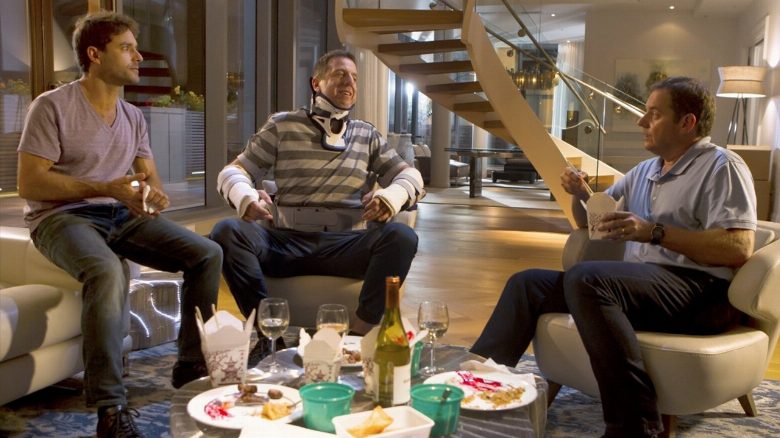
Five years after the death of their mother, Rémi, Mathieu and Christian have not changed much. Rémi is still as prolific and travels the world, multiplying his conquests, Mathieu leads a relatively peaceful life with his daughters and his wife and Christian lives off his brothers, hoping to find the perfect partner and finally settle down. When Rémi is kicked out of his house by his wife who discovers his infidelity and he suffers a panic attack, his brothers come to his rescue. Despite their different lifestyles, Rémi, Mathieu and Christian will try to help each other in order to form the united family that their mother would have wanted for them.
Navigating the chaotic landscape of midlife maturity requires a specific brand of humor, and The 3 Lil Pigs 2 captures this transition with a distinctly French-Canadian comedic sensibility. While global audiences often associate international cinema with high-stakes dramas or intense thrillers, this production leans into the messy, relatable reality of three brothers grappling with the weight of their own choices. The narrative functions as a study of fraternal bonds, illustrating how the specter of parental expectations continues to loom over adult siblings long after their mother has passed. It manages to balance the ribald energy of a classic farce with the tender vulnerability required to make a dysfunctional family dynamic feel authentic.
For fans of Indian cinema who appreciate the ensemble-driven family sagas common in Telugu or Hindi film industries, this movie offers a fascinating comparative lens. Much like the multi-generational dramas that resonate across the Indian subcontinent, the core of the story revolves around the friction between individual desires and the collective obligation to remain a united front. Director Jean-Francois Pouliot demonstrates a keen ability to map out the geography of these relationships, ensuring that the comedic mishaps never overshadow the underlying emotional stakes. It serves as a reminder that regardless of the linguistic or geographic origin of a film, the struggle to reconcile one's past self with the responsibilities of the present is a universal narrative hook that transcends borders.
Viewers who enjoy character-led comedies that prioritize personality over high-concept plot twists will find much to admire here. The chemistry between the cast members is the engine that drives the film, turning what could have been a standard slapstick romp into a nuanced exploration of midlife crises. It is particularly well-suited for audiences looking for a lighter, humanistic viewing experience that does not sacrifice emotional intelligence for the sake of a punchline. By focusing on the small, private collapses that occur when life plans fall through, the film creates a space where the audience can laugh at the absurdity of the human condition while still feeling a genuine empathy for the characters as they stumble toward a better version of themselves. Those who follow the trajectory of European comedy will likely appreciate how this sequel expands on the themes of its predecessor, cementing the franchise as a quintessential look at brotherhood.
Cast(23)