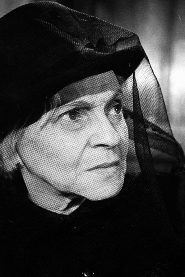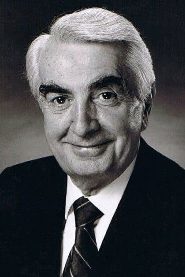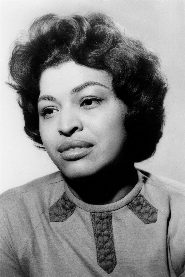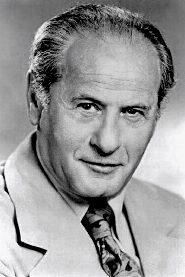
About The Angel Levine
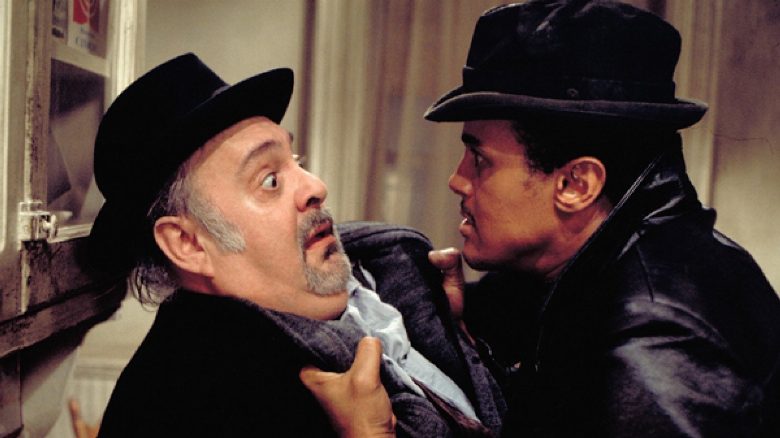
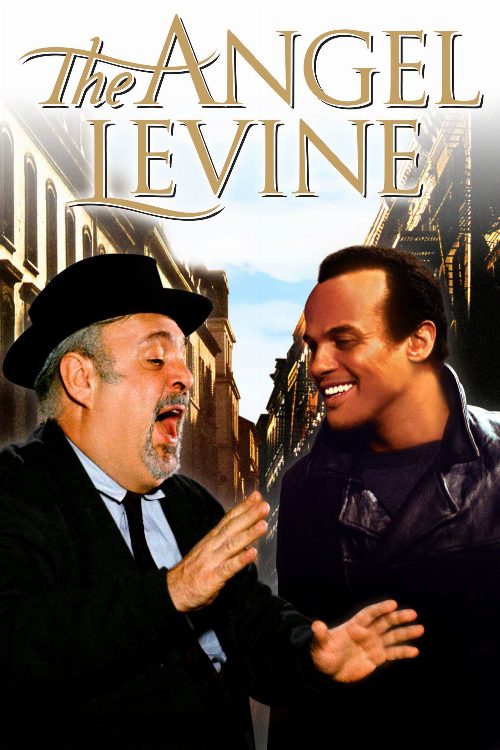
Morris Mishkin is a elderly religious Jew in New York. His wife Fanny is very ill. He's a tailor, but he can't work because his back has given out. He doesn't even have enough money for Fanny's medicine. Finally, a black fellow appears from nowhere in the Mishkin kitchen. He says he's an angel from God, sent to help Mishkin. The black angel is even Jewish, named Alex Levine? But will Morris believe in the angel? And can the angel perform the miracle that he promises?
Few cinematic explorations of faith manage to balance urban desolation with the ethereal grace found in The Angel Levine. Directed by Jan Kadar, this 1970 drama captures a specific moment in American independent filmmaking where the gritty reality of New York life intersects with the profound mystery of the divine. The narrative centers on an elderly tailor named Morris Mishkin who finds his existence crumbling under the weight of his wife’s failing health and his own physical limitations. Just as his world seems to narrow into a singular point of despair, he encounters a visitor who defies every conventional expectation. This unexpected arrival serves as a catalyst for a deeply humanistic debate about belief, cultural identity, and the unlikely bonds that form across divides.
While the film is firmly rooted in the landscape of American drama, its thematic preoccupation with the intersection of tradition and supernatural intervention will resonate strongly with fans of contemporary world cinema. Much like the poignant storytelling found in recent Malayalam or Tamil dramas that blend social realism with spiritual inquiry, this film avoids grand spectacle in favor of intimate character studies. It asks the audience to consider whether miracles manifest through celestial intervention or through the simple, stubborn act of trusting a stranger. The performance of the lead actors provides a grounded anchor for a premise that could easily have drifted into abstraction, ensuring that the emotional stakes remain palpable throughout the journey.
Viewers who appreciate slow-burning narratives that prioritize dialogue and philosophical reflection over quick-paced action will find much to admire here. It is a film for those who enjoy questioning the nature of providence and the ways in which our prejudices—or our lack of faith—can blind us to the help arriving on our own doorsteps. By placing a Black angel within the context of a Jewish immigrant household, the story invites a nuanced conversation about shared human struggles and the universality of suffering. Kadar, known for his ability to handle heavy subject matter with a delicate touch, creates a space where the miraculous feels entirely at home within the mundane clutter of a cramped apartment. Ultimately, the film stands as a testament to the idea that hope often arrives in the most unrecognizable of packages, challenging both the protagonist and the audience to look beyond the surface of a person to discover their true purpose.
Cast(10)