The Annihilation of Fish(1999)
About The Annihilation of Fish
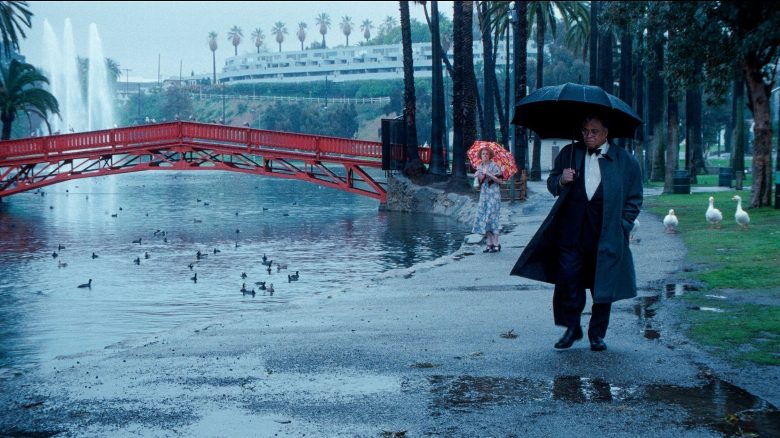
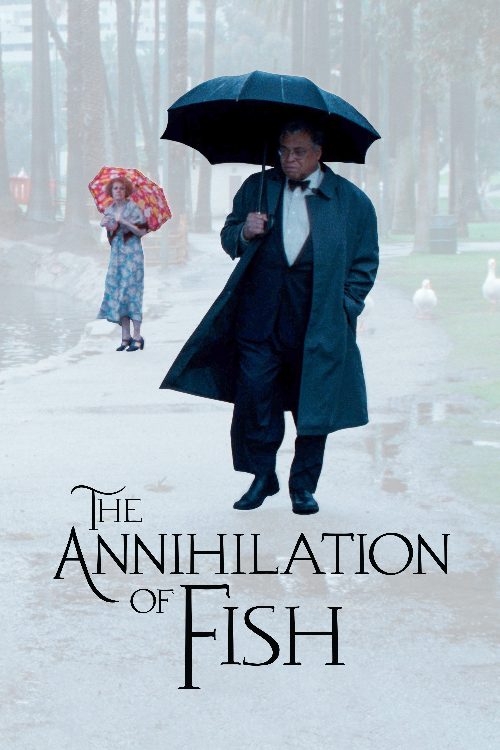
A Jamaican widower recently released from a mental institution and a former housewife with an imagined lover in the form of 19th-century composer Giacomo Puccini become the unlikely tenants of an eccentric widow in Los Angeles.
Few cinematic experiences capture the fragile intersection of loneliness and eccentricity quite like the 1999 production The Annihilation of Fish. While the landscape of independent filmmaking in the late nineties was often saturated with gritty urban realism, this particular feature opts for a whimsical, character-driven exploration of human connection. Set against the backdrop of Los Angeles, the story centers on an unusual domestic arrangement that feels almost theatrical in its execution. We follow two individuals who have spent their lives navigating the fringes of societal norms, as they find themselves sharing a living space owned by a woman who is just as unconventional as they are. It is a rare gem that balances the bittersweet sting of aging with the lighthearted absurdity of the human condition, making it a standout for those who prefer intimate chamber dramas over high-octane spectacle.
The film serves as a remarkable showcase for its legendary cast, anchored by the commanding presence of James Earl Jones and the poignant vulnerability of Margot Kidder. For audiences accustomed to the high-stakes narratives of modern Indian regional cinema, where larger-than-life protagonists often dominate the screen, The Annihilation of Fish provides a refreshing change of pace. It prioritizes dialogue and internal transformation over external action, echoing the sensibilities of intimate dramas often found in the parallel cinema movements of India. By focusing on people who are ostensibly forgotten by the mainstream, the film elevates the ordinary lives of its characters into something poetic. It is an ideal watch for viewers who enjoy slow-burn character studies that challenge the conventional boundaries of romance and companionship.
The project remains a testament to the power of performance to transcend a modest premise. By pairing an individual who has just emerged from a clinical setting with a woman who maintains a vivid, one-sided relationship with a long-dead opera composer, the narrative creates a space where reality and fantasy blur. This is not merely a story about finding love in one's golden years; it is a meditation on how we construct personal narratives to survive the isolation of the modern world. For those who appreciate films that treat their protagonists with empathy rather than pity, this work offers a rich, layered experience. It invites the audience to look past the surface of its eccentric tenants and recognize the universal longing for understanding that drives us all, regardless of the cultural context or the era in which the story is told.
Cast(19)