About The Bargain
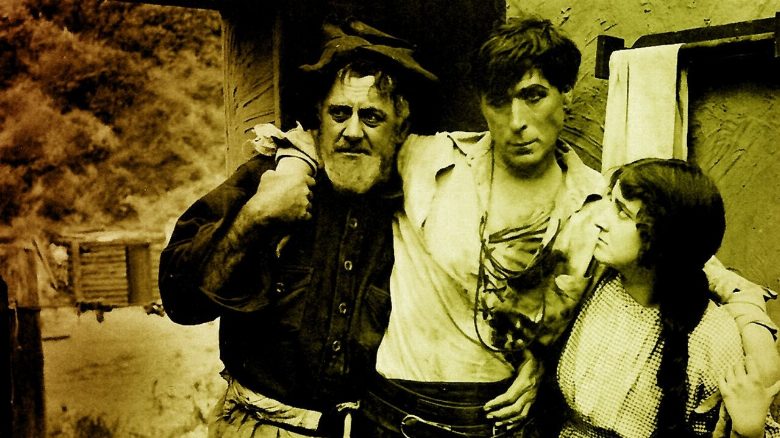
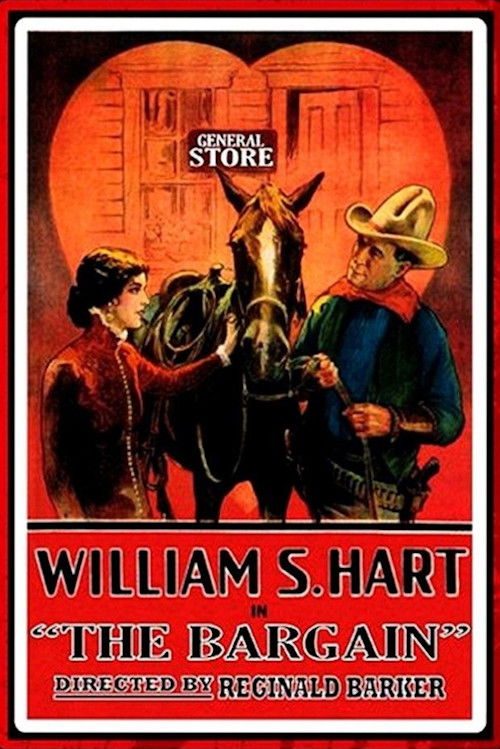
After the bandit known as the Two-Gun Man Jim Stokes robs the stage, he is wounded in his flight from the scene. Recuperating at a ranch, he falls in love with a local settler's daughter. Now wishing to go straight, Stokes encounters trouble when the Sheriff-- not entirely incorruptible-- Catches wind of his location.
Few films from the dawn of the feature-length era managed to capture the rugged spirit of the American frontier quite like The Bargain, a 1914 production that serves as a fascinating precursor to the mythic storytelling found in modern global cinema. While today’s audiences might associate the Western genre with the high-octane action sequences prevalent in contemporary Indian commercial hits, this silent classic relies on a raw, character-driven tension that feels surprisingly relevant. Reginald Barker crafts a narrative that hinges on the classic trope of the outlaw seeking redemption, a thematic blueprint that continues to resonate across various film industries, from the gritty revenge sagas of the Telugu screen to the morality plays seen in Hindi heartland dramas. By focusing on the internal friction of a protagonist caught between his criminal past and a newfound desire for domestic peace, the film elevates itself beyond simple pursuit tropes.
The story centers on a stagecoach robber who finds himself sidelined by injury, only to discover a life of integrity through the influence of a rancher’s daughter. This shift in motivation is what gives the film its distinct emotional core. The presence of a morally ambiguous lawman adds a layer of complexity that feels ahead of its time, mirroring the gray-shaded antagonists frequently celebrated in modern South Indian cinema. For viewers who appreciate the evolution of the action-adventure genre, this film offers a masterclass in how to build suspense through atmosphere rather than mere spectacle. It is an essential watch for those interested in the foundational DNA of the Western, providing a window into how early filmmakers established the archetypes that would eventually influence global storytelling traditions for the next century.
Clara Williams and J. Frank Burke deliver performances that lean into the stylized physical acting of the period, yet they manage to convey a genuine sense of longing that anchors the film’s romantic subplots. Barker demonstrates a keen understanding of pacing, ensuring that the transition from a high-stakes heist to a quiet, introspective character study feels earned rather than forced. While the technical limitations of 1914 are evident, the directorial vision remains sharp, positioning the film as a vital artifact for cinephiles. Whether you are a scholar of early Westerns or a fan of the dramatic arcs found in current regional Indian blockbusters, this work provides a compelling look at the universality of the repentant outlaw narrative. It remains a polished, evocative piece of history that continues to hold its own as a foundational pillar of cinematic heritage.
Cast(10)