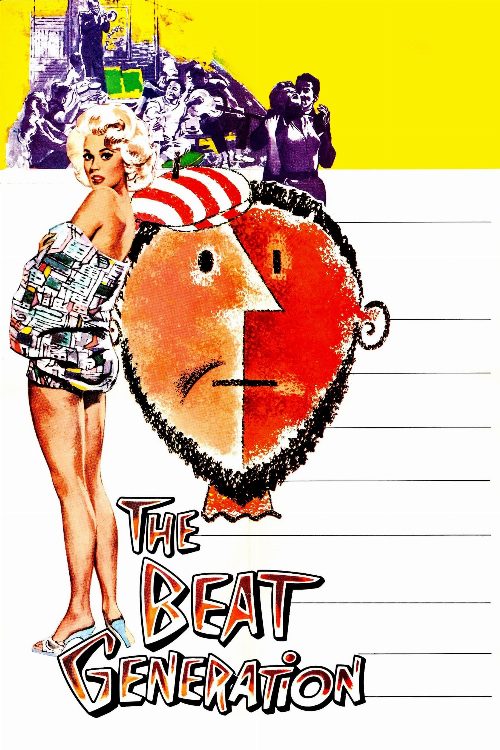
About The Beat Generation
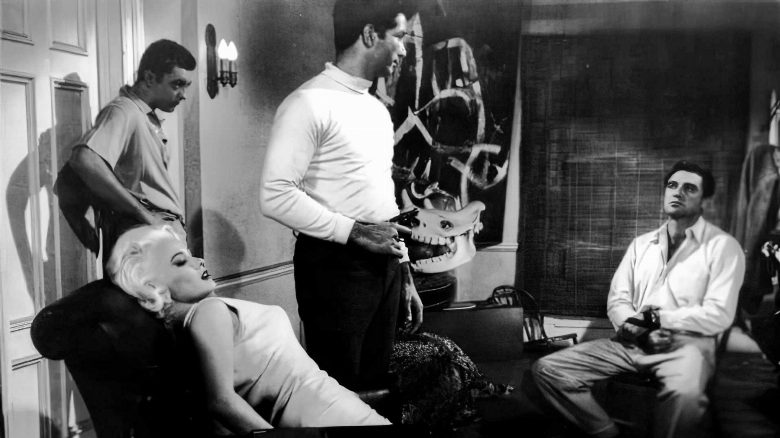
A group of beatniks unwittingly harbor a serial rapist. A cop goes after him after his wife is attacked.
The Beat Generation captures a frantic slice of late fifties counterculture, framing the burgeoning bohemian lifestyle through the lens of a gritty crime procedural. While many films of this era painted the beatnik scene as either purely artistic or dangerously subversive, this production leans into the latter, utilizing the underground jazz clubs and dimly lit coffee houses of the period as a backdrop for a harrowing investigation. By blending the aesthetic of the beat movement with traditional pulp noir sensibilities, the film creates a tense atmosphere where the search for a violent predator collides with the aimless rebellion of a misunderstood youth subculture. It serves as a fascinating historical artifact, reflecting the anxieties of a society struggling to reconcile its traditional values with the emerging nonconformist attitudes of a new generation.
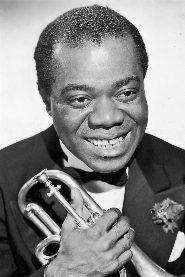
For audiences familiar with the evolution of crime cinema, this movie functions as a bridge between the classic noir era and the more visceral thrillers that would follow in the subsequent decade. The presence of jazz icon Louis Armstrong adds an authentic layer of musical pedigree to the production, grounding the stylized drama in the actual sounds that defined the beat experience. It is an essential watch for viewers who enjoy vintage suspense films that prioritize mood and character tension over complex action sequences. The narrative effectively highlights the friction between law enforcement and the alienated youth, positioning the police officer as a man pushed to his limits by a personal vendetta that transcends typical procedural boundaries.
The film remains a notable entry in the career of lead actor Steve Cochran, who often played characters caught in the crosshairs of moral ambiguity. His performance here helps anchor the plot, lending a sense of urgency to a premise that relies heavily on the juxtaposition of bohemian apathy and criminal malice. As global cinema continues to revisit the roots of the thriller genre, modern viewers might find the social commentary embedded in this 1959 feature surprisingly relevant. It speaks to the perennial tension between those who conform to societal structures and those who exist on the fringes, making it a compelling study for anyone interested in the intersection of mid-century crime fiction and the cultural shifts that forever altered the landscape of Western entertainment.
Cast(22)