About The Convenience Store
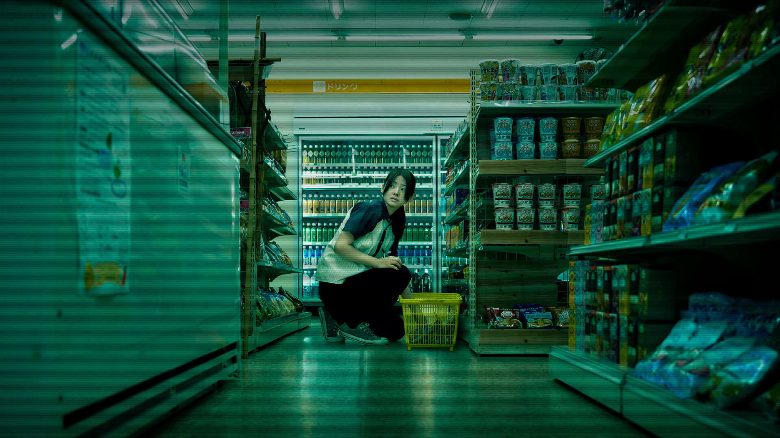
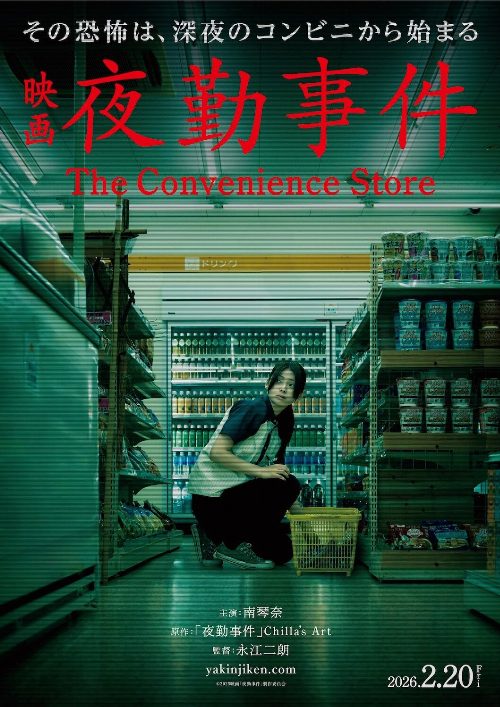
Tazuru is a college student working the night shift alone in a convenience store. The manager of the store, who has been missing for days, is found dead in the basement, with his eyes gouged out. Tazuru tells the police the creepy events that unfolded on the four previous nights: getting sent mysterious SD cards with disturbing videos on them, the door chime ringing with no reason, weird things on security camera, being visited by a weird old lady looking for her grandson and a creepy ghost boy. Inspector Sawatari is initially incredulous, but then similar events start happening to him too.
Jiro Nagae continues to refine his signature approach to atmospheric dread with The Convenience Store, a chilling addition to the modern Japanese horror landscape that thrives on the isolation of the midnight hour. Set against the backdrop of a lonely retail space, the narrative leans heavily into the urban anxiety surrounding 24-hour service culture, where the thin veil between mundane routine and supernatural terror is easily punctured. By placing Kotona Minami in the center of a claustrophobic environment, the film taps into a primal fear of being trapped in a brightly lit, glass-walled cage while something inexplicable lingers just outside the frame. It serves as a stark reminder of why the J-horror genre remains so potent, favoring psychological attrition over the bombastic spectacle often found in western genre fare.
The story unfolds through a fragmented lens, tracing the harrowing experiences of a student worker whose night shift takes a gruesome turn following the discovery of a body on the premises. As the investigation begins to bridge the gap between the victim and the investigator, the film cleverly pivots from a contained slasher-style mystery into a broader haunting that refuses to be ignored. There is a palpable sense of tension as the protagonist recounts a series of unsettling encounters, from anomalous surveillance footage to intruders who defy logical explanation. This escalation ensures that the viewer feels the same mounting sense of helplessness as the characters, dragging the audience into a web of strange media and encroaching specters that seem to follow no conventional rules of ghost storytelling.
This project is essential viewing for enthusiasts of suspense who appreciate a slow-burning build toward an inevitable confrontation. It stands out in the current horror cycle by grounding its terrors in the cold, clinical reality of a convenience store, transforming a space synonymous with comfort into a site of profound vulnerability. Those who have followed Nagae throughout his career will recognize his penchant for turning everyday objects and settings into vessels for dread. Whether one is a seasoned devotee of international horror or a casual fan seeking a high-stakes thriller, this film offers an intense experience that lingers long after the store lights flicker out. It positions itself as a gripping exploration of how the past can intrude upon the present, proving that even the most ordinary environments can hide the most disturbing secrets.