About The Cotton Club
Harlem's legendary Cotton Club becomes a hotbed of passion and violence as the lives and loves of entertainers and gangsters collide.
Francis Ford Coppola stepped into the hazy, high-stakes world of Prohibition-era New York to craft a sprawling tapestry that captures the rhythmic pulse of jazz alongside the cold brutality of organized crime. Unlike the typical gangster sagas that lean heavily into the grit of the streets, this film finds its heartbeat on a stage where tap dancers and vocalists perform under the watchful eyes of mobsters. By intertwining the glittering aspirations of Harlem performers with the shadowy dealings of powerful syndicate bosses, the narrative exposes the fragile boundary between artistic pursuit and criminal desperation. It is a visually decadent piece of cinema that prioritizes the kinetic energy of its musical sequences, reflecting a time when the entertainment industry existed in a delicate, often dangerous, symbiosis with the underworld.
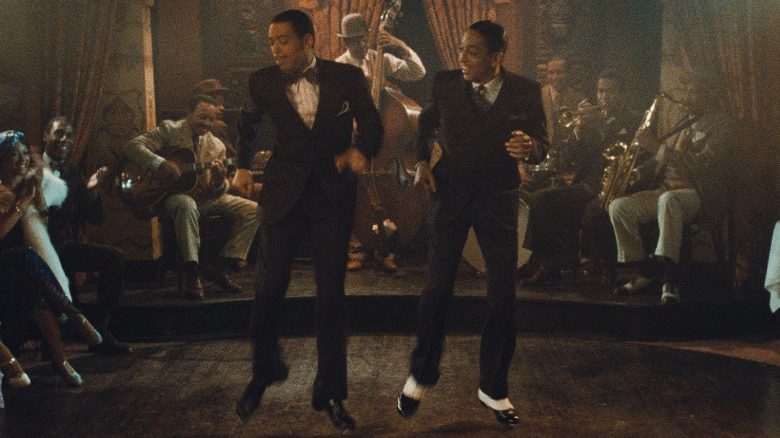
For enthusiasts of global cinema who appreciate the stylistic evolution of the crime genre, this work serves as an essential bridge between classical Hollywood noir and the more operatic, ensemble-driven dramas that would define the late twentieth century. While Indian audiences are accustomed to the high-octane intersection of music and crime often found in regional masterpieces, this film offers a distinct flavor of historical period drama. It eschews the typical hero-centric arc in favor of a mosaic approach, allowing the supporting characters to define the emotional stakes of the era. The presence of Gregory Hines and Maurice Hines brings an authentic, electrifying physicality to the screen, grounding the more fantastical elements of the plot in genuine musical talent.
Viewers who enjoy films that prioritize atmosphere, period-accurate production design, and a slow-burn buildup of tension will find much to admire here. It is not merely a story about illicit bootlegging or turf wars, but a meditation on the cost of fame when the patrons of the arts are the most feared men in the city. The direction emphasizes the duality of the club itself, acting as a sanctuary for cultural expression during the day and a volatile powder keg by night. Those who appreciate the meticulous world-building found in contemporary prestige dramas will likely find this project to be a foundational influence, showcasing a director at the height of his visual prowess. By refusing to simplify the motives of its expansive cast, the production remains a compelling study of ambition, legacy, and the inescapable reach of corruption in the heart of a bustling, vibrant metropolis.
Cast(72)