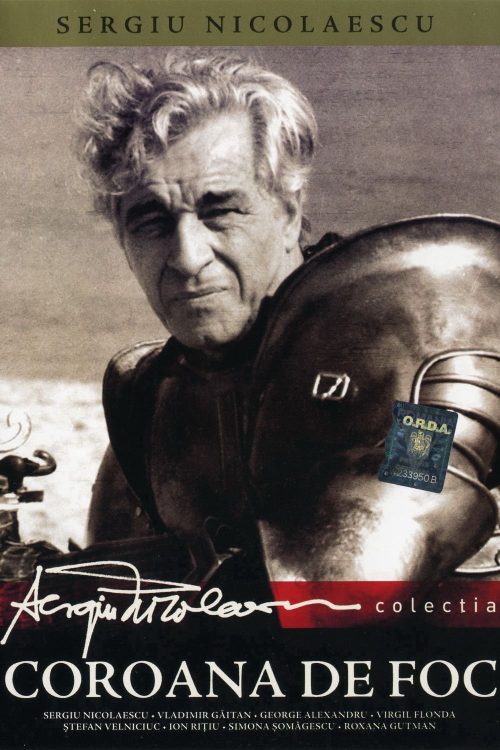
The Crown of Fire(1990)
About The Crown of Fire
In medieval Wallachia a young prince battles his twin brother for their father's throne and for their ancestors' crown of fire.
Stepping away from the vibrant narratives of contemporary Indian cinema, The Crown of Fire offers a stark, rugged look at the historical power struggles that defined Eastern European storytelling during the late twentieth century. Released in 1990, this Romanian epic captures a period of intense transition, blending gritty military realism with the intimate toxicity of a fractured royal household. At its core, the story examines the primal friction between two brothers vying for the leadership of Wallachia, a conflict that elevates the film from a standard period piece into a tense exploration of ambition and kinship. Unlike the grand, musical-heavy spectacles often associated with historical dramas, this production leans into the harsh, earthy textures of medieval warfare, focusing on the psychological toll of fighting one's own bloodline for the sake of a legacy represented by the titular relic.
For viewers who appreciate the sprawling, multi-layered family sagas often found in Telugu or Hindi historical epics, this film provides a fascinating point of comparison. It functions as a somber meditation on the fragility of sovereignty, stripping away the romanticism of the throne to expose the raw violence required to hold onto it. The involvement of Sergiu Nicolaescu is particularly significant, as he was a titan of Romanian film who frequently balanced his roles as a director and a leading man to craft works that resonated with national identity. His presence on screen lends a seasoned gravity to the proceedings, grounding the volatile fraternal rivalry in a performance that feels both weary and commanding. The film is tailored for those who enjoy historical narratives that prioritize tactical tension and character-driven stakes over flashy artifice.
By avoiding the common pitfalls of overly sentimental storytelling, the film remains a compelling artifact of a unique cinematic tradition. While modern audiences are accustomed to high-gloss visual effects, the charm here lies in the practical staging of battles and the stark, uncompromising atmosphere of the Wallachian landscape. It serves as a reminder that the themes of betrayal and the heavy price of dynastic power are universal, transcending borders from the Balkans to the Indian subcontinent. Whether you are a student of European genre history or simply a fan of intense, character-focused war films, the production offers a grimly satisfying experience. It is positioned as a quintessential work for those interested in seeing how regional industries outside of the mainstream global giants navigated the complexities of their own national history through the lens of high-stakes adventure.