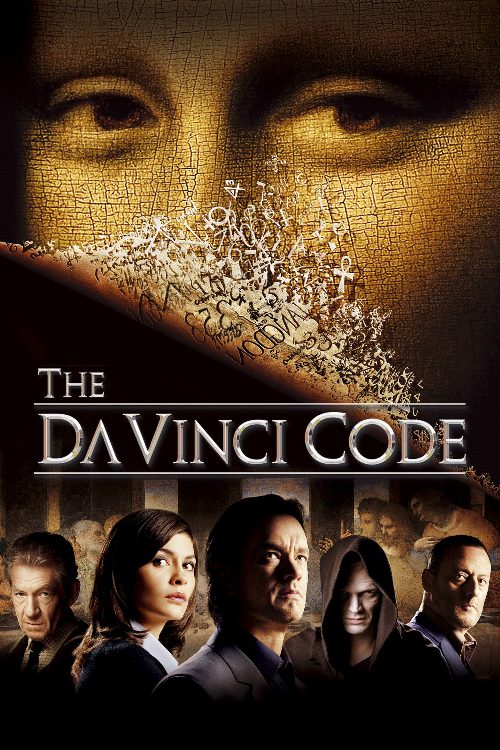
The Da Vinci Code(2006)
About The Da Vinci Code
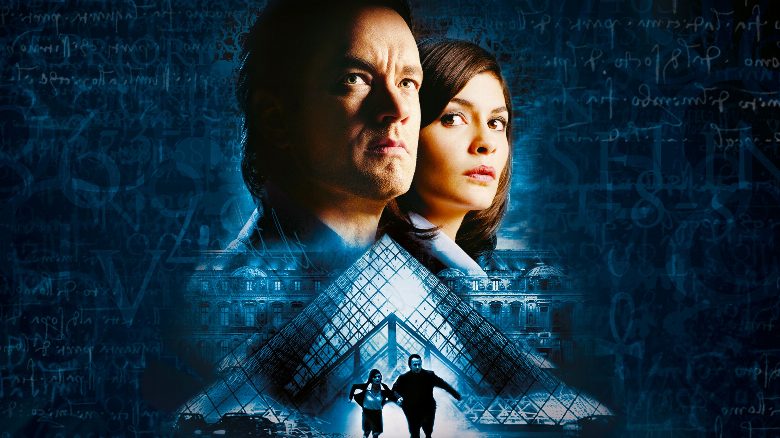
A murder in Paris’ Louvre Museum and cryptic clues in some of Leonardo da Vinci’s most famous paintings lead to the discovery of a religious mystery. For 2,000 years a secret society closely guards information that — should it come to light — could rock the very foundations of Christianity.
Stepping into the world of Ron Howard’s adaptation of The Da Vinci Code requires a willingness to embrace a high-stakes intellectual scavenger hunt that spans centuries. While global cinema audiences are currently accustomed to the frantic pacing of modern thrillers, this production remains a definitive touchstone for the mystery genre, grounding its massive scale in the storied corridors of the Louvre. For viewers who appreciate the intricate narrative architecture found in contemporary Indian suspense dramas, where hidden histories and long-buried secrets often serve as the heartbeat of the plot, this film offers a fascinating look at how Western blockbuster storytelling handles the intersection of theology and conspiracy. It functions less as a standard crime procedural and more as a globetrotting puzzle, demanding that the audience pay close attention to visual metaphors and historical subtext hidden in plain sight.
The film distinguishes itself by elevating a standard detective premise into a monumental clash between traditional institutional dogma and the pursuit of forbidden knowledge. Tom Hanks anchors the film with a measured, scholarly intensity that contrasts sharply with the frantic energy of the antagonists pursuing him. This dynamic mirrors the popular tropes seen in recent hits from the Telugu and Tamil industries, where the protagonist often acts as an enlightened outsider deciphering complex legacies against powerful adversaries. The production design serves as a silent narrator, using the austere beauty of iconic European landmarks to heighten the tension, successfully maintaining a sense of claustrophobia despite the expansive nature of the investigation. It is a masterclass in atmosphere, proving that a story built primarily on dialogue and deciphering iconography can be just as breathless as a high-octane action sequence.
Audiences who thrive on cerebral entertainment will find much to admire in the way the film balances its academic curiosity with the relentless momentum required of a major studio release. It is particularly well-suited for those who enjoy films that challenge their perception of historical narratives, encouraging viewers to look beyond the surface of what is presented as absolute truth. By weaving together the artistic genius of Renaissance masters with the shadow-drenched corridors of secret societies, the film creates a compelling tension that keeps the viewer guessing until the final frame. For followers of international cinema, it serves as a crucial point of reference for how mystery thrillers can successfully bridge the gap between niche historical inquiry and broad, mass-market appeal. Even years after its debut, the film remains a polished example of how to build a cinematic experience that feels both grand in ambition and intimate in its focus on the individual search for truth.
Cast(59)