About The Dark Half
Following the public's realization that Thad Beaumont and George Stark are one and the same, the former stages a mock funeral, only for a series of gruesome murders to begin occurring as in his books.
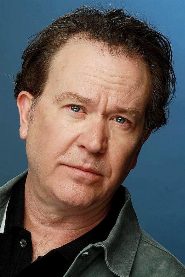
George A. Romero famously pivoted from his signature zombie iconography to explore the psychological fractures of literary identity in The Dark Half. By adapting Stephen King’s meta-textual exploration of authorship, the film taps into the perennial fascination with the shadow self that often haunts creative minds. Timothy Hutton delivers a dual performance that anchors the narrative, portraying a novelist whose attempt to kill off his pseudonym backfires in the most visceral way possible. Rather than relying on simple supernatural tropes, the film functions as a tense examination of the barrier between a writer’s internal world and his public persona, effectively capturing the anxieties of a man whose fictional creations demand their own existence.
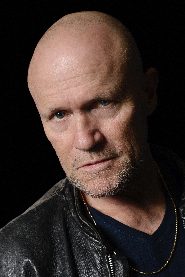
The film stands as a fascinating time capsule of early nineties genre cinema, reflecting the decade’s obsession with psychological thrillers that blurred the lines between reality and nightmare. While much of world cinema, including the burgeoning movements across Indian film industries, often utilizes the supernatural to discuss folklore or karmic justice, The Dark Half is distinctly Western in its preoccupation with the individual psyche and the consequences of artistic ambition. It offers a grounded, gritty atmosphere that feels surprisingly modern, even as it leans into the stylized violence of the era. The chemistry between Hutton and Michael Rooker provides a compelling friction that drives the mystery forward, ensuring that the tension remains palpable even when the plot ventures into more surreal territory.
Viewers who enjoy character-driven horror or stories that deconstruct the creative process will find plenty to appreciate here. It is particularly well-suited for those who gravitate toward suspenseful mysteries where the antagonist is not just a monster, but a manifestation of the protagonist’s suppressed desires. Romero’s direction maintains a steady hand, focusing on the claustrophobia of a small-town setting where the familiar turns hostile. For fans of psychological horror who prioritize atmosphere over jump scares, this remains a standout entry in the King adaptation canon. It serves as a reminder that some of the most terrifying entities are those we choose to bring into the world ourselves, proving that the pen can indeed be as dangerous as any weapon when wielded by a tormented mind.
Cast(27)