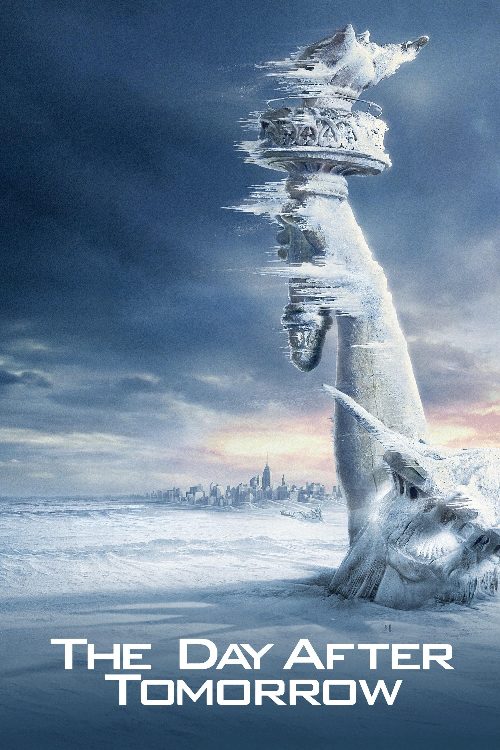
The Day After Tomorrow(2004)
“Where will you be?”
About The Day After Tomorrow
After paleoclimatologist Jack Hall is largely ignored by UN officials when presenting his environmental concerns about the beginning of a new Ice Age, his research proves true when a superstorm develops, setting off catastrophic natural disasters throughout the world. Trying to get to his son, Sam, who is trapped in New York City with his friend Laura and others, Jack and his crew must travel to get to Sam before it's too late.
Roland Emmerich mastered the art of the big screen spectacle long before global audiences grew accustomed to the current wave of high-stakes disaster epics emerging from the Indian film industries. The Day After Tomorrow remains a definitive touchstone for the genre, functioning as a high-octane survival thriller that prioritizes environmental anxiety over mere pyrotechnics. While many modern South Indian blockbusters currently blend heavy social messaging with grand set pieces, this 2004 production serves as a precursor to that fusion, grounding its massive scale in the intimate, desperate bond between a father and his isolated child. By focusing on the sudden collapse of ecological norms, the narrative forces viewers to confront a scenario that feels increasingly relevant as modern climate discussions continue to dominate the cultural conversation.
The film distinguishes itself by juxtaposing the cold, detached bureaucracy of international summits against the visceral, frozen reality of a rapidly shifting planet. For fans of Indian cinema, the structural DNA here will feel familiar, as it mirrors the emotional stakes often found in Telugu or Hindi survival dramas where familial duty serves as the primary engine for heroism. It is a quintessential popcorn experience, designed for those who enjoy seeing the familiar geography of a major metropolis transformed into an alien landscape. The intensity of the storm sequences provides a relentless momentum that keeps the audience tethered to the screen, even as the narrative shifts between global chaos and the claustrophobic tension of a New York library turned into a sanctuary.
Dennis Quaid anchors the story with a grounded, weary performance that prevents the larger-than-life disaster elements from spiraling into total abstraction. His portrayal of a man racing against a literal ticking clock of frozen time gives the film its heart, making the stakes feel personal rather than just statistical. For cinephiles who appreciate the evolution of visual effects and the way Hollywood blockbusters have influenced global storytelling conventions, this piece remains a vital study in tension management. It is a must-watch for anyone who enjoys high-concept thrillers that balance human vulnerability against the indifference of nature. Whether viewed through the lens of nostalgic cinema or as a prophetic warning regarding our changing climate, the movie retains a sharp, gripping edge that continues to define the disaster genre for a new generation of viewers.
Cast(29)
















Crew
Original Music Composer
Special Effects
Music Editor
Producer
Set Decoration
Visual Effects Production Assistant
Costumer
Similar Films