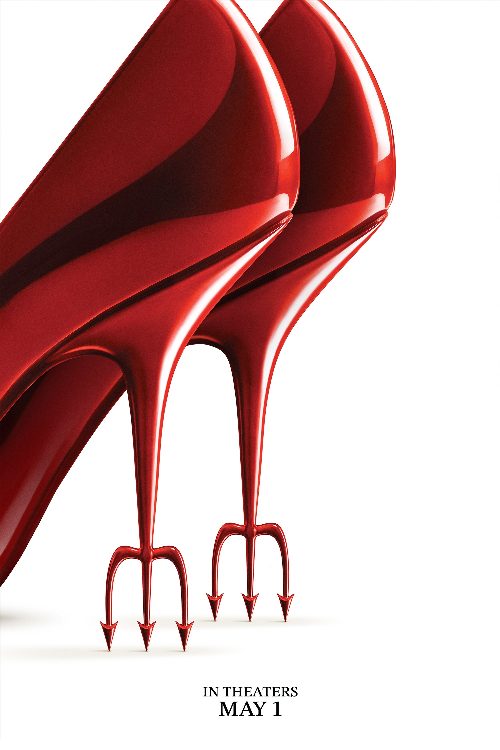
The Devil Wears Prada 2(2026)
About The Devil Wears Prada 2
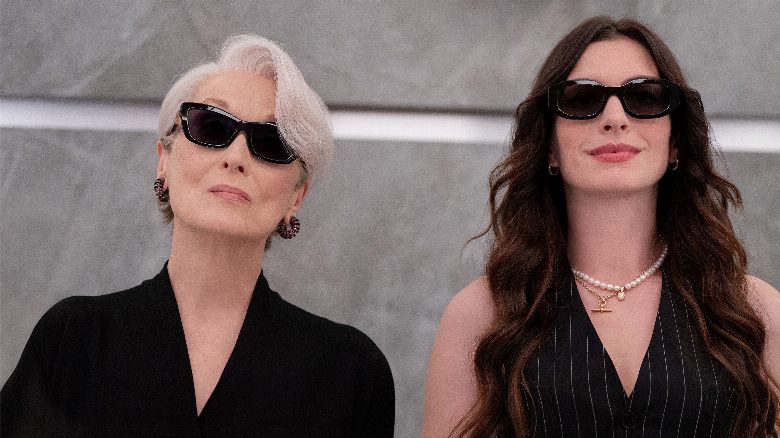
Miranda Priestly navigates her career amid the decline of traditional magazine publishing. She faces off against Emily Charlton, her one-time assistant, now a high-powered executive for a luxury group, with advertising dollars that Priestly desperately needs.
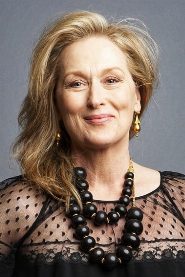
The landscape of high fashion journalism has shifted dramatically since the early aughts, a transformation that serves as the primary catalyst for the long-awaited return of Miranda Priestly. When The Devil Wears Prada 2 arrives in 2026, it promises to trade the frantic, paper-filled offices of Runway for the digital-first, influencer-driven reality of modern media conglomerates. By reuniting Meryl Streep and Anne Hathaway, the project leans into the nostalgia of the original while grounding itself in the cutthroat tension of corporate power plays. Seeing Priestly grapple with the erosion of legacy print media offers a fascinating character study, as the ice-cold editor must now contend with an industry that values viral reach over editorial prestige.
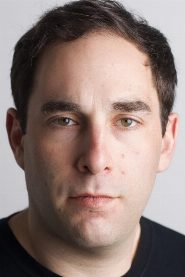
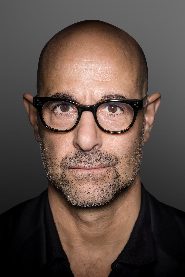
The friction between the old guard and the new establishment finds its physical form in the rivalry between Priestly and Emily Charlton. Played by Emily Blunt, the former assistant has ascended to a position of immense influence within a luxury conglomerate, placing her on the opposite side of the bargaining table from her former mentor. This dynamic shift is particularly compelling because it turns the traditional underdog narrative on its head, forcing the audience to navigate a world where loyalty is secondary to the bottom line. With Kenneth Branagh and Simone Ashley joining the ensemble, the film positions itself as a sophisticated examination of how mentorship evolves into competition when the stakes involve the survival of a dying craft.
Viewers who enjoy sharp, dialogue-heavy dramas that dissect workplace hierarchies will find plenty to admire here. While the first film captured the relentless pace of a magazine edit suite, this sequel appears interested in the broader economic pressures defining current luxury markets. It is tailored for fans who value the intellectual sparring matches of the original but are ready to see how these iconic characters have adapted, or failed to adapt, to a landscape defined by algorithms and global branding. With the creative team balancing the return of familiar faces with the introduction of new corporate power brokers, the film acts as a bridge between the classic era of glossy magazines and the uncertain future of digital content. It serves as a reminder that even the most formidable figures must eventually face the reality that influence is a fleeting currency.