About The Dictator
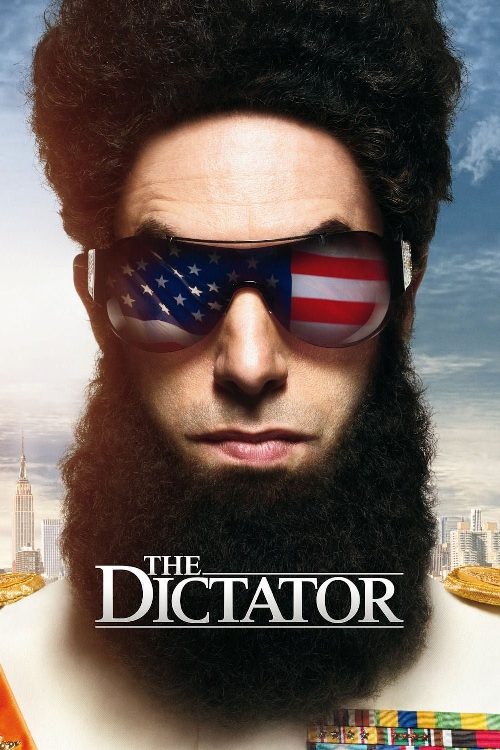
The heroic story of a dictator who risks his life to ensure that democracy would never come to the country he so lovingly oppressed.
Sacha Baron Cohen has long mastered the art of the uncomfortable cultural mirror, and in The Dictator, he leans into the absurdities of absolute power with a chaotic energy that feels both timeless and pointedly satirical. The narrative follows Admiral General Aladeen, a man whose commitment to authoritarian rule is matched only by his complete lack of self-awareness. When a series of unfortunate events thrusts him into the streets of New York City, stripped of his security and status, the film shifts from a grand geopolitical farce into a fish-out-of-water comedy that thrives on the friction between his megalomania and the mundane reality of democratic society. It serves as a sharp contrast to the more grounded political dramas often seen in global cinema, opting instead for a relentless barrage of irreverent humor that challenges the audience to find the humanity, or lack thereof, in a despotic figure.
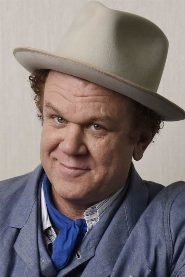
For fans of Indian cinema who appreciate the nuanced social commentary found in recent political satires from industries like Bollywood or the Telugu film circuit, this movie offers a distinctively Western flavor of political ribbing. While Indian films often explore the nexus of corruption and governance through dramatic, high-stakes storytelling, this production utilizes a broad, slapstick-heavy lens to dismantle the cult of personality. It is a work designed for viewers who enjoy high-concept premise comedy where the protagonist is fundamentally unlikable, yet undeniably magnetic. The supporting cast, featuring heavyweights like Edward Norton and John C. Reilly, provides a grounded anchor for the absurdity, allowing the central performance to push the boundaries of satire without losing the narrative thread.
The film stands out as a quintessential example of early 2010s comedic ambition, reflecting a period where the global cultural conversation was heavily focused on the fragility of regimes and the spread of democratic ideals. By positioning its lead character as an unintentional protagonist, the film manages to bypass the typical morality plays that define the genre. It is an ideal watch for those who prefer their comedy with a side of biting social critique rather than traditional sentimentality. Ultimately, the project succeeds by never taking itself seriously, even as it forces the viewer to confront the ridiculous nature of the power dynamics it depicts. Whether you are a devotee of the mockumentary style or simply seeking a high-energy romp that refuses to adhere to conventional rules, this entry remains a significant touchstone in the evolution of modern cinematic satire.
Cast(134)