About The Divorce of Lady X
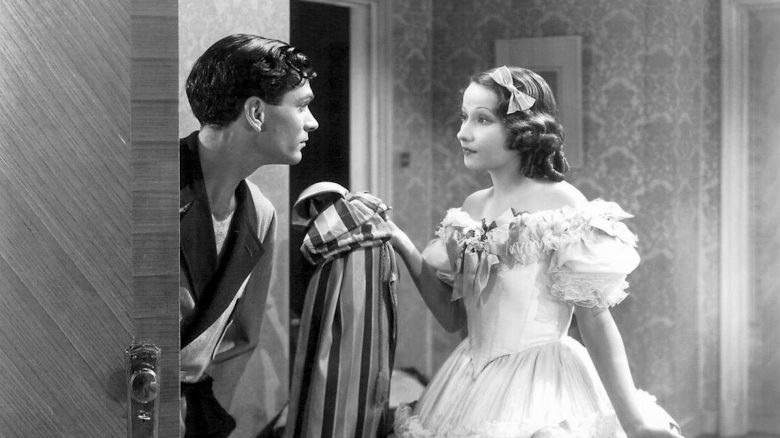
A London barrister believes the woman who spent the night in his hotel suite is the erring wife of his newest client.
The golden age of British cinema frequently leaned into the sophisticated interplay of misunderstanding and high-society charm, a tradition that The Divorce of Lady X captures with delightful precision. Set against the backdrop of 1930s London, this Technicolor gem stands out for its vibrant visual palette, which was a significant departure from the muted tones common in the era. The narrative centers on a suave barrister who finds his professional life colliding with his private affairs after a mysterious woman occupies his suite during a foggy night. This setup sparks a classic game of cat and mouse, grounded in the rigid social decorum of the time, where reputation was the most fragile currency in the room. Unlike the gritty realism that often defines contemporary dramas, this film prioritizes witty dialogue and the sparkling chemistry of its performers, offering a window into a bygone style of storytelling that favored elegance over spectacle.
For fans of global cinema who appreciate the roots of the modern romantic comedy, this film serves as a compelling ancestor to the screwball subgenre. While audiences today are accustomed to the rapid-fire editing and high-stakes emotional arcs of current Bollywood or Tollywood hits, there is a refreshing simplicity in how this production handles conflict. It requires the viewer to engage with the nuance of verbal sparring rather than relying on heavy-handed melodrama. The film functions as a masterclass in tonal balance, where the stakes feel personal and contained, yet are amplified by the absurdities of the British class system. It is a quintessential piece for those who enjoy character-driven narratives, where the environment—the hotel, the courtroom, and the parlor—acts as a silent participant in the confusion.
The production carries the unmistakable polish of the period, reflecting a time when studio craftsmanship was at its zenith. For the modern cinephile, it is fascinating to observe how these early comedies laid the groundwork for the tropes we see echoed in cinema worldwide today, from the mistaken identity plots common in regional Indian comedies to the sharp, cynical banter found in global rom-coms. The cast navigates the intricate script with a light touch, ensuring the levity remains consistent even as the misunderstandings escalate. Whether you are a scholar of classic English film or simply seeking a charming diversion that highlights the evolution of romantic storytelling, this picture offers a sophisticated look at how human folly remains a universal language, regardless of the decade or the industry behind the lens.
Cast(14)