The Earth of Mankind(2019)
About The Earth of Mankind
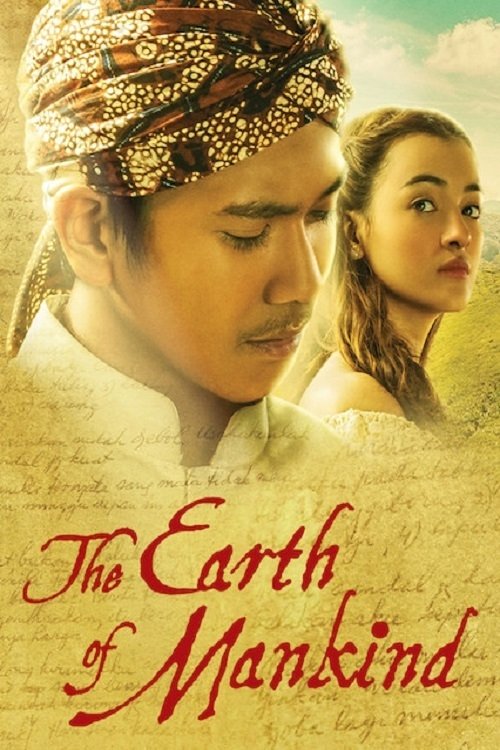
A Javanese royal and half-Dutch woman fall in love as Indonesia rises to independence from colonial rule.
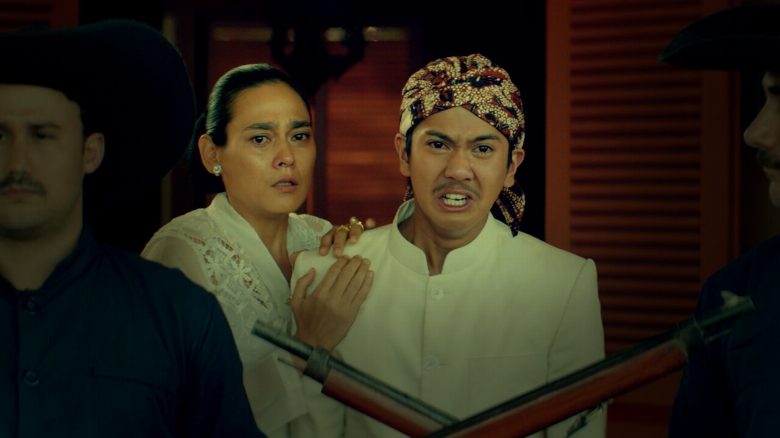
The Earth of Mankind arrives as a sweeping cinematic examination of identity and resistance during the twilight of the Dutch East Indies. Directed by Hanung Bramantyo, this period piece navigates the complexities of a rigid colonial hierarchy through the lens of a young Javanese man named Minke, whose intellectual awakening is sparked by his profound connection with a woman caught between two worlds. The film serves as a vital bridge for international audiences looking to understand the sociopolitical foundations of modern Indonesia, capturing the tension between traditional heritage and the encroachment of European influence. By anchoring its narrative in the early twentieth-century pursuit of self-determination, the production avoids simple melodrama, choosing instead to focus on the psychological toll of systemic inequality and the courage required to challenge an established order.
For fans of Indian cinema who appreciate the grand scale of historical epics like Lagaan or the intense character-driven narratives found in Malayalam period dramas, this film offers a fascinating parallel. It mirrors the thematic depth often found in our own regional industries, where the personal struggles of the protagonist reflect the broader aspirations of an entire population seeking sovereignty. Iqbaal Ramadhan delivers a performance that anchors the story, transitioning from an idealistic scholar to a man who must confront the harsh realities of a colonial legal and social apparatus. His chemistry with Sha Ine Febriyanti is central to the film, providing an emotional pulse that keeps the historical stakes grounded in human experience.
Viewers who enjoy cinema that is both visually lush and narratively demanding will find much to admire in this adaptation. The cinematography captures the vibrant yet stifling atmosphere of the era, while the screenplay refuses to provide easy answers, forcing the audience to grapple with the complexities of power and loyalty. It is a thoughtful, measured exploration of a nation in flux, making it a perfect recommendation for those who seek out films that function as both entertainment and historical education. Whether you are a scholar of global colonial history or simply a lover of sweeping romantic dramas that prioritize intellectual growth alongside emotional depth, this film stands as a significant milestone in Indonesian storytelling. It remains a compelling watch for anyone interested in how the past informs the struggle for equality, marking it as a sophisticated addition to any cinephile’s watchlist.
Cast(35)