About The End
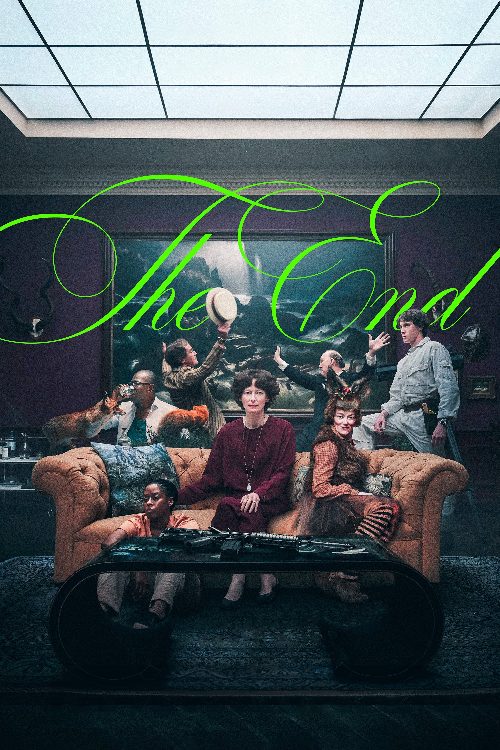
Twenty-five years after environmental collapse left the Earth uninhabitable, Mother, Father and Son are confined to their palatial bunker, where they struggle to maintain hope and a sense of normalcy by clinging to the rituals of daily life—until the arrival of a stranger, Girl, upends their happy routine. As tensions rise, their seemingly idyllic existence starts to crumble.
Joshua Oppenheimer makes a jarring departure from his hard hitting documentary roots with The End, a bold musical drama that pushes the boundaries of the post apocalyptic genre. Rather than focusing on the typical grit and survivalist tropes associated with a dying planet, this film opts for a surreal, chamber piece approach set within the confines of a luxury subterranean home. By centering the narrative on a family clinging to the remnants of their former high society life, the director examines the psychological dissonance required to ignore a global tragedy. This choice sets it apart from more conventional genre entries, positioning it as an intimate character study that uses song and performance as a mechanism for denial.
The film arrives at a time when audiences globally are increasingly drawn to high concept, contained dramas that probe the ethics of isolation and privilege. While Indian cinema has recently seen a surge in dystopian storytelling through various regional industries, The End offers a distinctly international perspective that resonates with the universal anxiety of our changing climate. Viewers who appreciate the claustrophobic tension found in psychological thrillers, or those interested in the experimental blending of musical elements with bleak subject matter, will likely find this production deeply compelling. It is a challenging watch that prioritizes mood and thematic depth over typical blockbuster spectacle.
George MacKay leads a cast that balances the fragility of their sheltered reality against the creeping intrusion of the outside world. The introduction of an outsider serves as a catalyst for the inevitable breakdown of their carefully curated delusions, forcing a confrontation with the history they have spent decades burying. For fans of cerebral cinema who enjoy films that linger in the mind long after the credits roll, this project represents a unique opportunity to witness a filmmaker known for documenting reality instead construct a fictional world designed to expose human vanity. It is a cautionary tale masked as a lavish domestic drama, perfect for those who prefer their cinema with a side of existential contemplation.