About The Eye
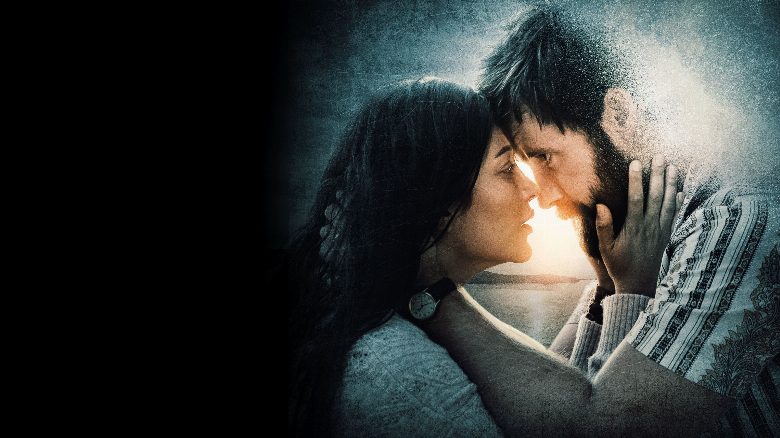
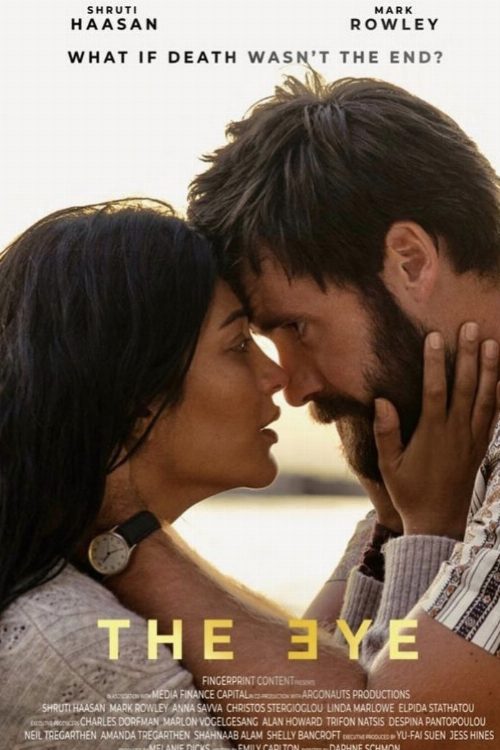
After the sudden death of her husband, Diana returns to a remote Greek island only to find herself entangled in whispers of an ancient curse: a soul for a soul. As reality blurs and secrets unravel, Diana faces an impossible choice between life, death, and darkness in between.
Grief often serves as the most potent catalyst for supernatural storytelling, and The Eye masterfully anchors its unsettling premise in the raw vulnerability of sudden loss. Directed by Daphne Schmon, this psychological thriller transports viewers to a stark, isolated Greek landscape where the boundary between mourning and madness begins to dissolve. For global audiences familiar with the evocative, atmospheric horror common in modern cinema, the film offers a departure from typical jump-scare aesthetics, favoring instead a slow-burn tension that mirrors the protagonist’s fractured psyche. The narrative centers on Diana, who journeys back to a place of personal significance following a bereavement, only to encounter local legends that challenge her perception of existence.
The inclusion of Shruti Haasan in this international production is particularly noteworthy for followers of the Indian film industry. Having established herself as a formidable talent across Telugu, Tamil, and Hindi cinema, Haasan brings a distinct gravitas to this English-language project. Her presence suggests a strategic pivot toward global storytelling, reflecting a growing trend of Indian stars seeking roles that transcend regional boundaries to explore complex, human-centric mysteries. By placing a performer known for intense dramatic portrayals into a high-stakes, gothic-inspired environment, the film positions itself as a character study disguised as a supernatural mystery. The supporting cast, featuring heavyweights like Anna Savva and Linda Marlowe, rounds out an ensemble that prioritizes emotional authenticity over spectacle.
This film is ideally suited for viewers who appreciate the intersection of character-driven drama and unsettling dread. It avoids the frantic pacing of mainstream blockbusters, opting instead for a deliberate, meditative approach to mystery that rewards those who enjoy deciphering narrative layers. The exploration of an ancient curse acts less as a primary plot device and more as a metaphor for the inescapable weight of the past. As Diana navigates the whispers and shifting realities of her surroundings, the audience is forced to grapple with the same moral ambiguity she faces. It is a haunting examination of the choices made in the shadow of tragedy, making it a compelling entry for fans of atmospheric thrillers who value psychological depth alongside eerie, evocative cinematography. The production succeeds by grounding its more fantastical elements in the tangible ache of human suffering, ensuring that the mystery remains as intimate as it is unnerving.