About The Flesh and the Fiends
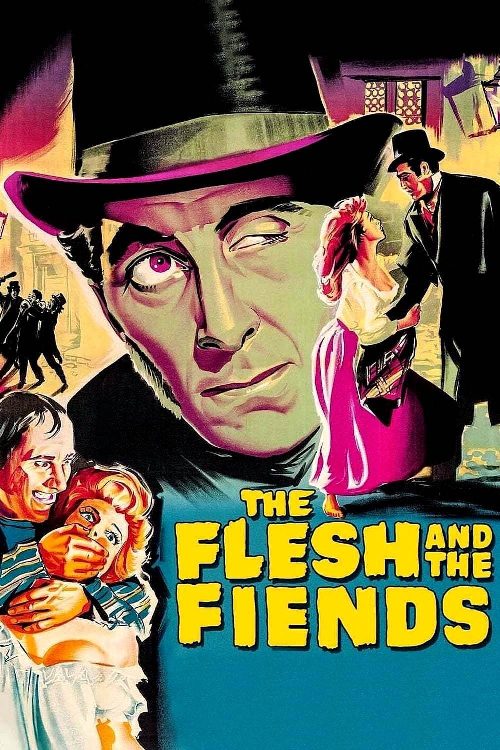
Edinburgh surgeon Dr. Robert Knox requires cadavers for his research into the functioning of the human body; local ne'er-do-wells Burke and Hare find ways to provide him with fresh specimens...
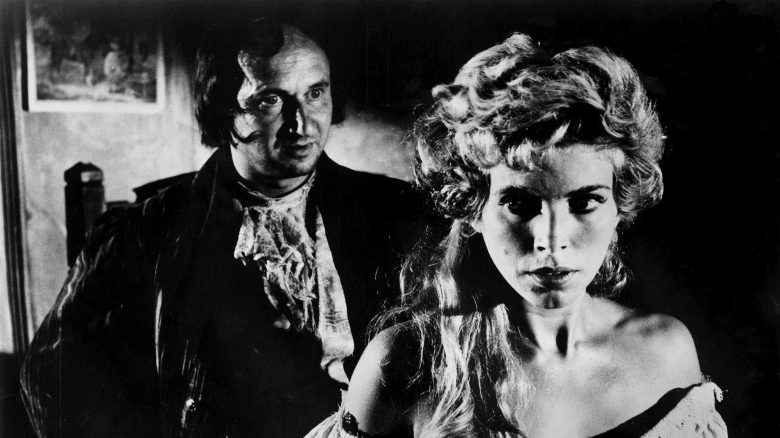
Stepping into the grim, fog-drenched streets of nineteenth-century Edinburgh, The Flesh and the Fiends offers a chilling exploration of the intersection between scientific ambition and moral decay. While modern audiences often associate the infamous Burke and Hare legend with dark comedy or campy thrills, this 1960 production leans heavily into the macabre atmosphere of a period piece that treats its historical source material with a somber, almost clinical intensity. The film distinguishes itself by focusing on the friction between academic curiosity and the gruesome reality of the supply chain required to satisfy it, positioning the anatomy theater as a place of both enlightenment and profound ethical corruption. It serves as a compelling bridge between early gothic horror traditions and the more visceral, character-driven dramas that would define the genre in later decades.
For those who follow the evolution of British horror, this film remains a quintessential example of how the industry once utilized historical anxiety to unsettle viewers. The narrative centers on the uneasy alliance between a brilliant surgeon, portrayed with a cold, intellectual detachment, and the desperate scavengers who realize that death is a commodity. Unlike contemporary slashers that rely on jump scares, this work builds tension through the quiet, creeping realization that the quest for knowledge often necessitates a complete abandonment of humanity. It captures a specific cultural moment where the rapid advancement of medical science collided with the grim superstitions of the working class, creating a societal pressure cooker that is as fascinating today as it was over sixty years ago.
Viewers who appreciate slow-burn psychological tension and period-accurate production design will find this a worthwhile addition to their watchlist. It is particularly suited for fans of classic black-and-white cinema who value performance-led narratives over high-octane spectacle. While it belongs to a different era of global storytelling, its exploration of the lengths to which people will go to preserve their professional status or survive extreme poverty resonates with the universal themes often found in the gritty, realistic dramas currently emerging from regional Indian industries like Malayalam or Kannada cinema. By stripping away the supernatural elements often found in horror, the film forces the audience to confront the monsters that live within the halls of authority, making it a timeless study of exploitation. This is an essential watch for anyone interested in the darker chapters of history reimagined through the lens of early mid-century suspense.
Cast(21)