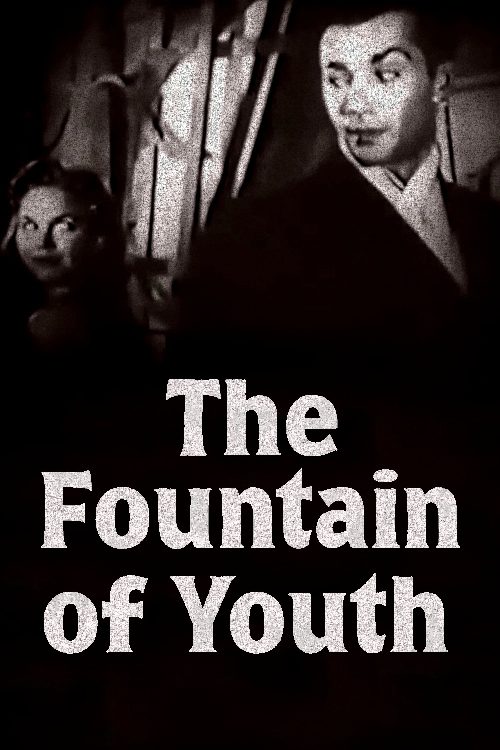
The Fountain of Youth(1958)
About The Fountain of Youth
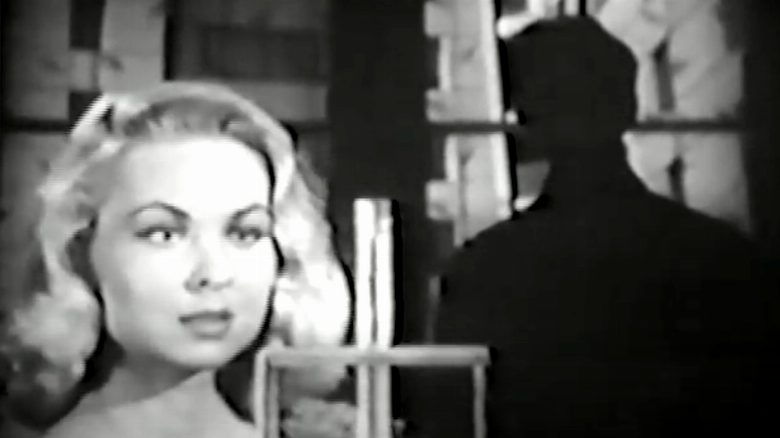
A darkly comic fable about vanity and desire, "The Fountain of Youth" follows a newly married couple whose relationship is destabilized by the arrival of a potion that promises centuries of youth and beauty—but in a quantity sufficient for only one person. As temptation and resentment grow, the gift becomes a catalyst for moral and emotional collapse. Written, directed, and narrated by Orson Welles and based on John Collier’s short story “Youth from Vienna,” the film uses stylized narration and experimental visual techniques to construct a compact essay on human vanity. (Note: Originally produced in 1956 as a television pilot and broadcast once in 1958 as part of NBC’s Colgate Theatre anthology series (S1E5); it later achieved independent archival and cultural status, including a 1958 Peabody Award.)
Orson Welles remains a titan whose shadow stretches far beyond the grand scale of his theatrical epics, and The Fountain of Youth serves as a fascinating, compact testament to his restless creative spirit. While audiences today often associate the auteur with sprawling cinematic narratives, this television production reveals his penchant for biting, cynical storytelling that feels remarkably ahead of its time. By adapting a cynical short story by John Collier, Welles crafts a moral vacuum where human ego is pushed to its absolute limit, utilizing his signature flair for experimental visual framing to turn a domestic dispute into an unsettling fable. It is a rare glimpse into the mind of a director who could distill profound philosophical dilemmas about aging and mortality into a half-hour format without sacrificing an ounce of his distinct stylistic authority.
The narrative centers on a volatile domestic situation triggered by the sudden availability of an elixir promising eternal vitality. What makes this piece stand out within the mid-century anthology landscape is its refusal to rely on traditional sentimentality; instead, it leans into a dark, observational humor that feels surprisingly modern. Fans of classic television who appreciate the heightened, noir-adjacent tone of the era will find much to admire here, as the film functions less like a standard drama and more like a cautionary meditation on the hollowness of vanity. It captures a specific anxiety about beauty and aging that resonates deeply with contemporary viewers, especially those interested in how early television experimented with the boundaries of visual storytelling and literary adaptation.
For those who track the lineage of global cinema, this project is essential viewing to understand how Welles utilized limited resources to challenge the conventions of his medium. The film is perfectly suited for enthusiasts of vintage dramas who prefer intellectual stimulation over linear spectacle. By centering the story on a choice that forces characters to weigh their love against their own narcissistic desires, the production avoids the common pitfalls of moralizing, opting instead for a detached, ironic perspective. Even decades after its brief initial broadcast, the work maintains a sharp, biting edge that highlights the director’s ability to turn a simple premise into an intricate examination of the human condition. It stands as a brilliant example of how even the smallest projects can carry the weight of a major artistic statement when helmed by a visionary with a deep understanding of human fallibility.