About The Help
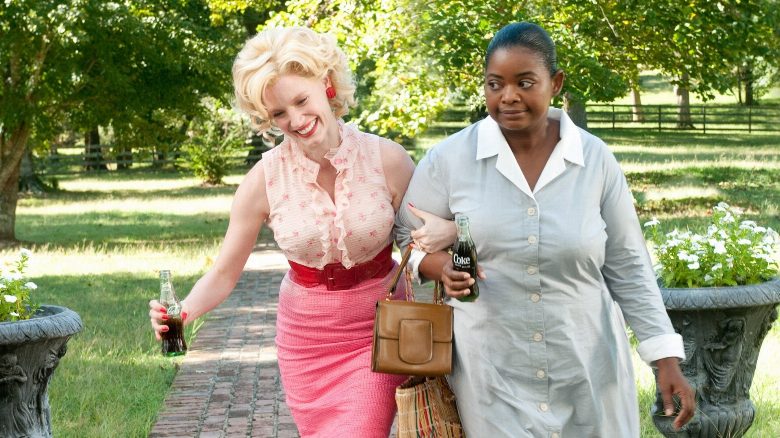
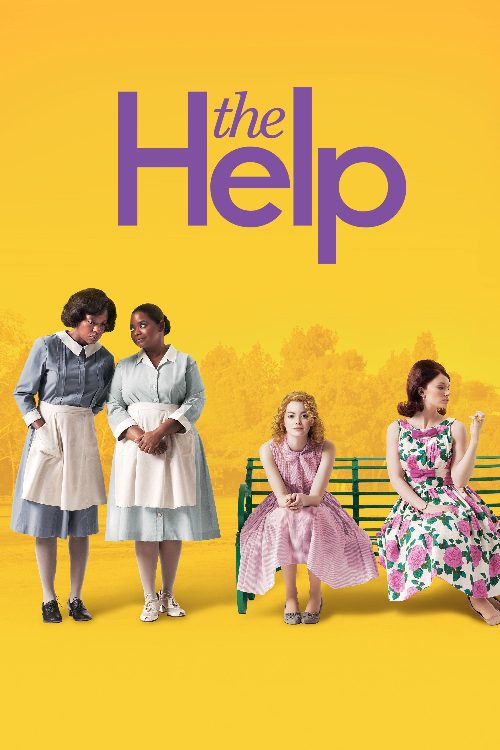
Aibileen Clark is a middle-aged African-American maid who has spent her life raising white children and has recently lost her only son; Minny Jackson is an African-American maid who has often offended her employers despite her family's struggles with money and her desperate need for jobs; and Eugenia "Skeeter" Phelan is a young white woman who has recently moved back home after graduating college to find out her childhood maid has mysteriously disappeared. These three stories intertwine to explain how life in Jackson, Mississippi revolves around "the help"; yet they are always kept at a certain distance because of racial lines.
Set against the stifling social architecture of early 1960s Mississippi, The Help offers a poignant examination of the intersectional power dynamics that defined a generation. The narrative centers on the courageous endeavor of a young aspiring writer who seeks to document the hidden lives of domestic workers serving affluent white families. By choosing to center the voices of those who were systematically silenced, the film shifts the focus from the grand political movements of the era to the intimate, often painful realities of the domestic sphere. This approach creates a compelling character study that highlights the immense emotional labor performed by African American women while they simultaneously navigated the rigid prejudices of their employers.
For fans of global cinema who appreciate the recent surge in character-driven period dramas across industries like Tollywood and Kollywood, this film serves as an excellent case study in balancing historical gravity with accessible storytelling. While the setting is distinctly American, the underlying themes of class struggle, the sanctity of domestic relationships, and the defiance of societal norms resonate deeply with audiences familiar with the social hierarchies often explored in Indian parallel cinema. The film distinguishes itself through its strong ensemble cast, particularly the remarkable performances of Viola Davis and Octavia Spencer, who imbue their characters with a profound sense of dignity and resilience. Their interplay with the ambitious protagonist played by Emma Stone provides a lens through which viewers can witness the fragility and ultimate strength of unlikely alliances formed in the face of institutionalized inequality.
This production is ideally suited for viewers who find themselves drawn to poignant dramas that prioritize human connection over spectacle. It is a thoughtful exploration of how individual bravery can slowly erode systemic injustice, making it a staple for those interested in the history of civil rights movements through a personal, rather than strictly documentary, lens. Director Tate Taylor demonstrates a keen eye for period detail and tonal precision, successfully transforming a literary adaptation into a cinematic experience that remains emotionally evocative years after its debut. Whether you are a devotee of classic Hollywood storytelling or simply a lover of stories that highlight the endurance of the human spirit, this film offers an essential look at the quiet revolutions that occurred behind closed doors.
Cast(55)