About The Hunted
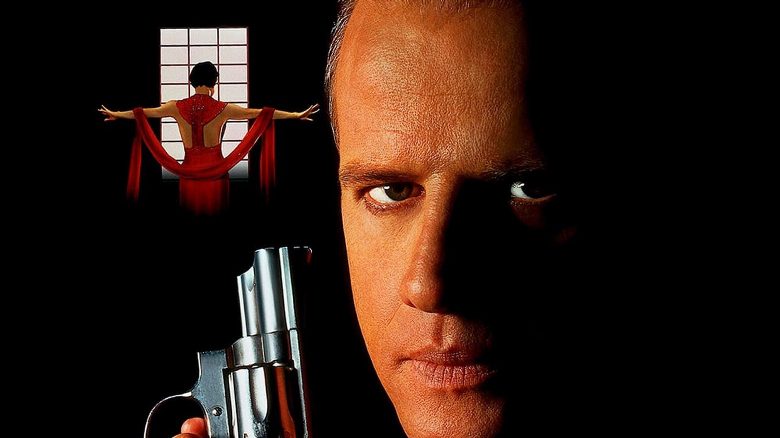
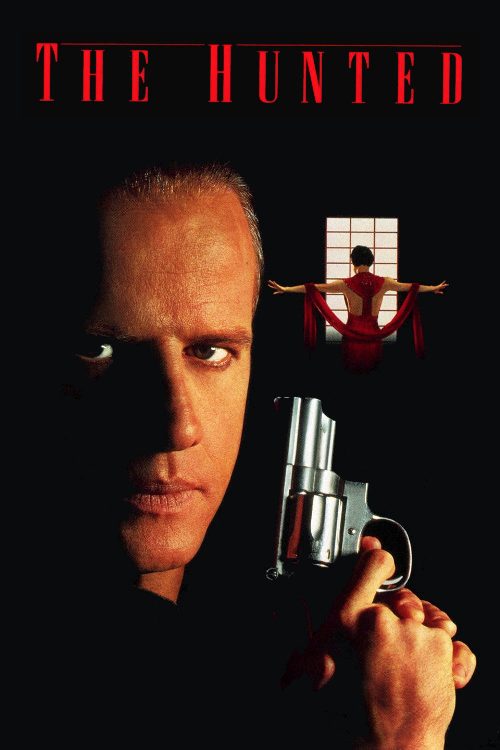
Paul Racine, a high-powered American business executive in Japan, is catapulted into a maze of danger and intrigue after he and his sexy companion are the targets of assassins hired by the ruthless Kinjo. To survive, Racine must join forces with a powerful samurai and together they will fight the force of evil in an awesome battle rooted in centuries of brutal conflict.
The intersection of corporate ambition and ancient martial tradition creates a volatile backdrop for the 1995 thriller The Hunted, a film that feels like a stylistic bridge between classic Hollywood action tropes and the rigorous discipline of Japanese cinema. By placing a contemporary American businessman into the crosshairs of a clandestine society of assassins, the narrative forces an uncomfortable collision between the modern boardroom and the shadow world of the ninja. It is a premise that thrives on the fish out of water dynamic, yet it elevates itself by grounding the inevitable violence in a sense of historical weight and cultural reverence that was somewhat rare for the mid-nineties American action landscape.
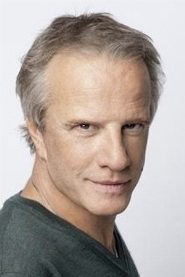
For audiences who appreciate the meticulous choreography of international genre films, this feature serves as a fascinating study in cross-cultural tension. While modern Indian cinema, particularly in the Telugu and Tamil industries, has mastered the art of the hyper-stylized hero who takes on entire organizations, The Hunted offers a more contained, atmospheric experience. The film leans heavily into the stark, cold aesthetics of its Japanese setting, providing a visual texture that emphasizes the isolation of the protagonist. Christopher Lambert brings his signature intensity to the role, but the film truly finds its soul when it focuses on the interplay between his character and the local warriors who operate by a code that is entirely alien to his corporate sensibilities.
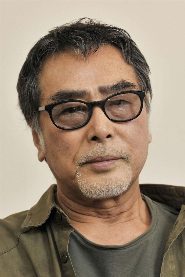
Viewers who enjoy high-stakes survival stories that trade flashy explosions for blade-based precision will likely find this a compelling watch. It is positioned as a grim, relentless descent into a world of honor and vengeance, steering clear of the campier elements that defined much of the action cinema of its era. The inclusion of Yoshio Harada adds a layer of genuine gravitas, grounding the more fantastical elements of the assassin cult in a performance that commands respect. Those who enjoy the intersection of noir-inspired thrillers and martial arts epics will appreciate the commitment to theme over spectacle. It remains a distinct entry in the nineties canon, representing a time when Hollywood was eager to explore the atmospheric mystery of East Asian mythology through a lens of grit and steel.
Cast(17)