About The Joy Luck Club
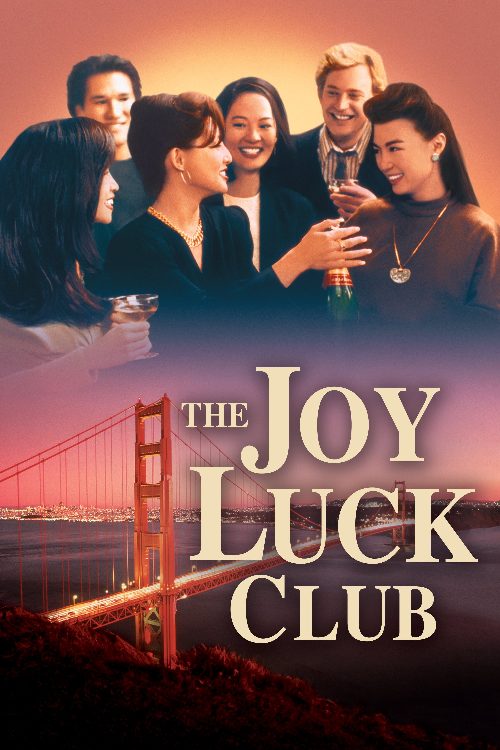
Through a series of flashbacks, four Chinese women born in America and their respective mothers born in feudal China explore their pasts.
Wayne Wangs 1993 adaptation of The Joy Luck Club remains a landmark achievement in the landscape of cross-cultural cinema, offering a deeply resonant exploration of the immigrant experience that feels just as vital today as it did three decades ago. By weaving together the disparate threads of four mother-daughter relationships, the film transcends the boundaries of a typical domestic drama to examine the heavy inheritance of trauma, sacrifice, and cultural identity. For viewers accustomed to the complex family dynamics prevalent in contemporary Indian cinema, where the tension between tradition and modern aspiration often drives the narrative, this film offers a fascinating parallel. It functions as a bridge between two worlds, illustrating how the silence between generations is often filled with the weight of unshared histories rather than an absence of affection.
The structure of the story relies on a sophisticated non-linear approach, utilizing memories to anchor the present-day conflicts of four American-born women against the harrowing backdrops of their mothers early lives in China. While the setting is distinct from the bustling industries of Tollywood or Bollywood, the emotional terrain is remarkably familiar to anyone who has navigated the expectations of family against the backdrop of a rapidly changing society. The film stands out for its refusal to paint these women as mere archetypes; instead, it provides a nuanced look at how cultural heritage is both a gift and a burden. The performances, particularly those of the ensemble cast playing the matriarchs, bring an undeniable gravitas to the screen, grounding the more melodramatic beats in a reality that feels earned and profound.
This is a film crafted for those who appreciate character-driven storytelling that rewards patience and emotional intelligence. It does not rely on high-octane spectacle or genre tropes, but rather finds its strength in the quiet, devastating moments of confrontation and reconciliation. Audiences who gravitate toward the layered domestic epics produced by directors like Mani Ratnam or the deeply observational works found in current Malayalam cinema will likely find much to admire here. By focusing on the specificities of the Chinese-American experience, Wang manages to articulate a universal truth about the difficulty of truly knowing those who raised us. It is an essential watch for cinephiles interested in how global cinema can successfully synthesize personal history with broader sociopolitical change, ensuring that the legacy of these characters continues to resonate across borders and generations.
Cast(22)