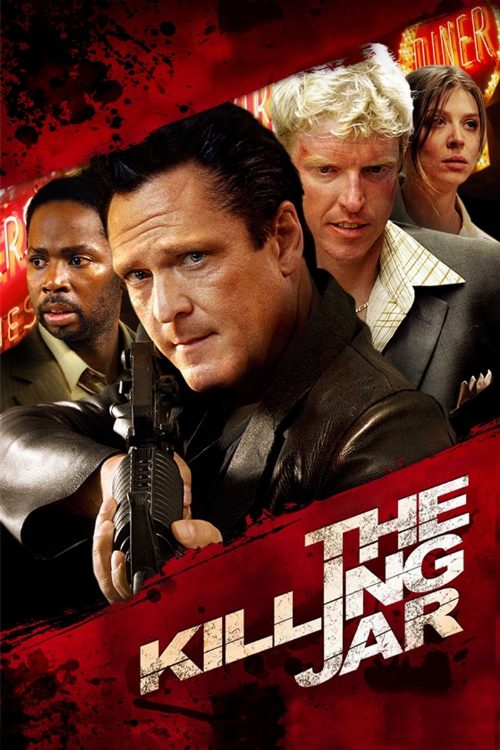
The Killing Jar(2010)
About The Killing Jar
A stranger armed with a shotgun takes seven patrons hostage in a remote roadside diner. But as the body count increases, the desperate survivors discover that one of the hostages may be even more dangerous than their captor.
The Killing Jar stands as a stark example of the high-tension bottle episode format, a subgenre that thrives on claustrophobia and the stripping away of social veneers. While Indian cinema often leans into sprawling multi-generational epics or high-octane action sequences, this 2010 thriller offers a different kind of intensity that resonates with fans of gritty, contained narratives. The premise centers on a group of strangers trapped in a desolate eatery, held at gunpoint by a mysterious assailant. What begins as a conventional hostage scenario rapidly shifts into a psychological puzzle as the power dynamics within the room begin to fracture. This film is positioned as a grim study of how ordinary people react when forced into a corner, where the threat outside the door is quickly eclipsed by the paranoia festering among those trapped inside.
For viewers who appreciate the methodical pacing of neo-noir or the sharp, dialogue-driven tension found in recent Malayalam suspense hits, this project provides a similarly immersive experience. By limiting the action to a single location, the director forces the audience to focus on the subtle shifts in character behavior and the dark secrets that emerge under extreme duress. It is a film for those who prefer cerebral mysteries over spectacle, demanding that the viewer play detective while the headcount dwindles. The ensemble cast works to maintain a sense of unease, ensuring that each hostage feels like a potential wildcard. The narrative structure mirrors the kind of tight, script-focused storytelling that has become increasingly popular in global independent cinema, where the strength of the dialogue often carries the weight of the production.
This film serves as a reminder of how effective a simple, well-executed concept can be in the hands of a filmmaker committed to building dread. It captures a specific bleakness that is rarely found in mainstream commercial fare, making it a compelling choice for enthusiasts of dark, character-centered thrillers. While it lacks the vibrant musicality or grand scale of contemporary Tollywood or Bollywood outings, its commitment to a singular, suffocating atmosphere provides a refreshing change of pace. If you are the type of cinephile who enjoys dissecting human nature through the lens of a dire, isolated situation, this feature offers a gripping look at the fine line between victim and perpetrator. It remains an intriguing artifact of the thriller genre, showcasing a classic setup that remains just as effective today as it was upon its release.
Cast(13)