About The Last Foxtrot in Burbank
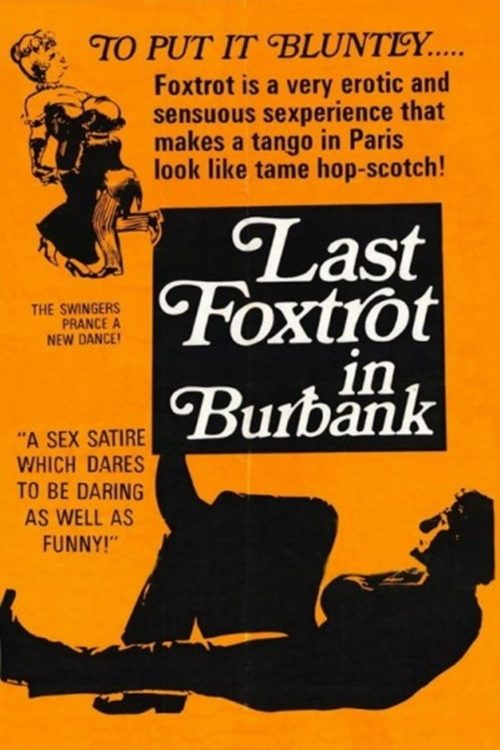
Cult director Charles Band brings you this "Last Tango in Paris" spoof with editing by acclaimed filmmaker John Carpenter.
Tracing the lineage of seventies exploitation cinema requires a look at projects that dared to lean into the absurd, and The Last Foxtrot in Burbank remains a curious artifact of that era. Emerging during a time when the film industry was obsessed with deconstructing mainstream hits, this production functions as a cheeky, irreverent mirror to the high-minded dramas dominating the arthouse circuit. While global audiences today are often accustomed to the slick, high-budget parodies churned out by major studios, this 1973 comedy captures a grittier, more spontaneous aesthetic that highlights the DIY spirit of independent filmmaking in Los Angeles. By targeting the self-serious tone of international cinema, the film offers a snapshot of a period where creative boundaries were constantly being tested by filmmakers who possessed more ambition than a traditional budget.
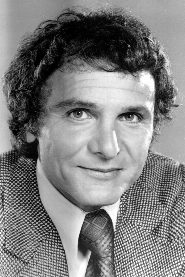
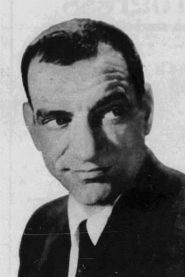
The project is particularly notable for its behind-the-scenes pedigree, serving as an early intersection for names that would later become synonymous with genre mastery. Seeing Charles Band at the helm, directing with a penchant for the unconventional, alongside the early technical contributions of John Carpenter, provides a fascinating historical context for viewers interested in the origins of these influential figures. For fans of Indian cinema who appreciate the way regional industries like the Telugu or Tamil film sectors often remix classic tropes to suit local sensibilities, this film serves as a Western parallel. It demonstrates how a modest budget and a willingness to subvert audience expectations can create a distinctive, if polarizing, viewing experience. The narrative momentum relies heavily on the chemistry of the cast, including Richard Band and Michael Pataki, who navigate the script with a commitment to the bit that keeps the tone lighthearted despite the inherent cynicism of the parody.
Audiences who gravitate toward cult classics and the history of independent production will find the most value in this screening. It is not designed to compete with the polished comedic structures of modern television, but rather to exist as a relic of a time when spoofing was a raw, experimental art form. Anyone with an appreciation for the evolution of American comedy and the specific stylistic signatures of its director will find enough substance here to warrant a watch. It occupies a niche space in the archives of English-language comedy, acting as a reminder that even the most prestigious dramas of the seventies were ripe for a comedic dismantling, provided the filmmakers had the nerve to commit to the joke.