The Last Mammoth(1991)
About The Last Mammoth
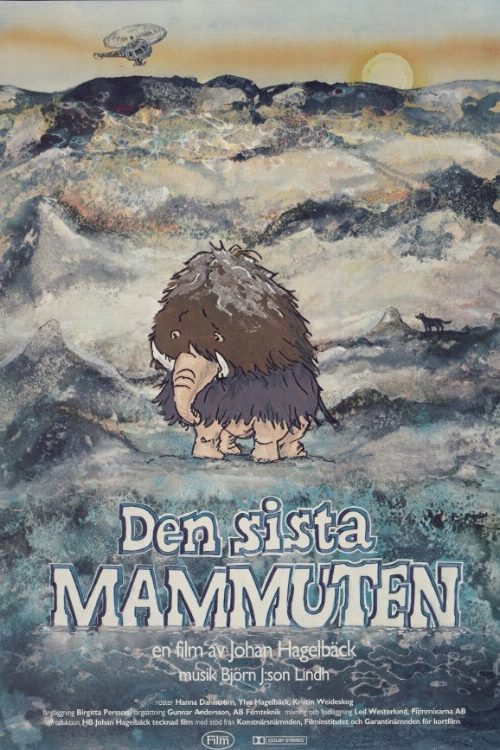
A mammoth who has been frozen for thousands of years has to keep away from scientists and Zoo managers.
In the landscape of early nineties international animation, The Last Mammoth stands out as a curious and whimsical relic that defies the typical tropes of the era. While many animated features during this period were leaning toward grand, symphonic spectacles, this Swedish production opts for a more intimate and eccentric charm. The narrative centers on a prehistoric giant suddenly thrust into the modern world after millennia of icy isolation, forcing the creature to navigate a landscape populated by inquisitive researchers and bureaucratic zoo administrators. It is a classic tale of displacement, yet the animation style provides a unique texture that feels distinct from the polished gloss of contemporary studio output. For viewers who appreciate the history of global cinema, this film serves as a reminder of how independent animators were experimenting with tone and pacing long before the digital revolution took hold.
The film serves as an interesting point of comparison for audiences who enjoy the blend of melancholy and humor found in modern character-driven animation. Johan Hagelback brings a distinct sensibility to the project, utilizing a minimalist aesthetic that prioritizes personality over spectacle. By focusing on the mammoth's struggle to remain undetected in a world that views it as either a scientific curiosity or a profitable attraction, the movie touches on themes of exploitation and the desire for freedom. Its Swedish origins offer a refreshing departure from the usual North American or Japanese animation hubs, providing a glimpse into a different cultural approach to storytelling that feels both grounded and strangely ethereal. The pacing is deliberate, allowing the audience to truly sit with the protagonist as it grapples with the confusion of waking up in an unrecognizable century.
This piece of cinema is ideally suited for those who harbor a fondness for the quirkier side of the medium, especially those interested in how European studios approached the survival genre. It is not merely a children’s movie; there is an underlying sense of existential dread mixed with dry wit that resonates more deeply with adult viewers. For fans of Indian cinema who appreciate the growing trend of experimental storytelling in the Malayalam or Tamil independent circuits, The Last Mammoth feels like a spiritual ancestor to films that prioritize character interiority over complex plot mechanics. By avoiding the common trap of over-explaining its premise, the film invites the viewer to simply observe the absurdity of its situation. Whether you are a dedicated animation historian or just a curious cinephile looking for something off the beaten path, this film offers a singular experience that remains as frozen and preserved in time as its lead character.