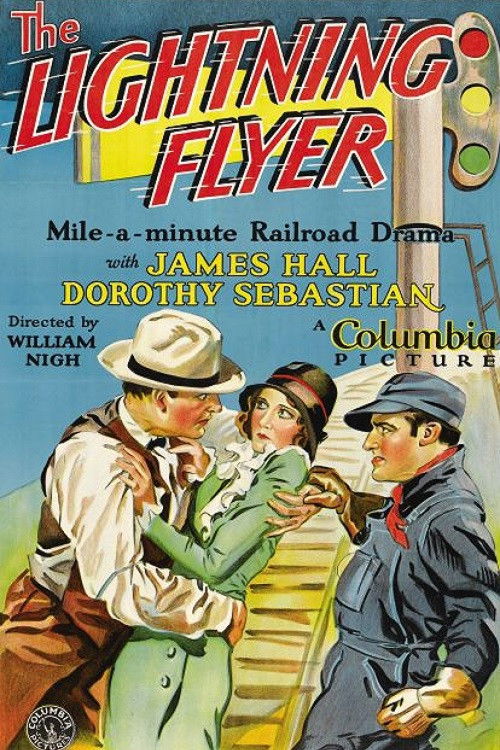
About The Lightning Flyer
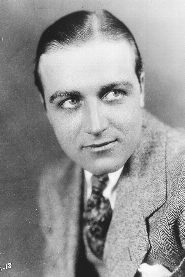
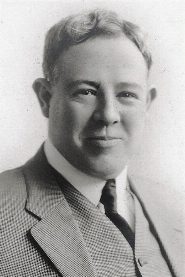
A freight train careening off the tracks sends Jimmie Nelson (James Hall), the ne're-do-well of a railroad owner, John Nelson (Robert Homans), out to redeem himself, by working under an assumed name, to investigate why and who is the culprit behind the sabotage against his father's fast-express line.
The golden age of Hollywood silent and early talkie cinema frequently turned toward the grit and industrial might of the American railway to ground its high-stakes narratives. In The Lightning Flyer, director William Nigh captures a specific brand of 1930s tension that blends familial discord with the high-velocity dangers of the transit industry. While contemporary Indian cinema often highlights the metaphorical weight of trains in sweeping romantic odysseys or intense thrillers, this vintage production finds its pulse in the practical mechanics of sabotage. It follows a young man seeking to shed his reputation as a family disappointment by embedding himself within the very operation he once neglected. By trading his privileged status for a working-class identity, the protagonist attempts to uncover the shadowy forces threatening his father’s legacy, a trope that remains a staple of dramatic storytelling across global film cultures.
The film stands as a fascinating artifact for viewers interested in the evolution of the action-mystery genre. It leans into the era's fascination with mechanical peril, presenting the railroad not just as a backdrop, but as a central character that demands respect and protection. George Meadows, Eddie Boland, and Dorothy Sebastian anchor the production, bringing a tactile energy to the screen that feels distinct from the stylized spectacles often seen in modern regional Indian hits. For audiences who appreciate the foundations of the redemption arc, the narrative offers a clear look at how early filmmakers used professional failure as a crucible for character growth. It is a quintessential piece of early studio-era filmmaking that relies on pacing and atmospheric tension to keep the stakes feeling personal rather than purely industrial.
Those who enjoy historical cinema will find value in how this early drama navigates the complexities of class and industry. It serves as a reminder that the themes of corporate intrigue and the struggle for personal vindication are truly universal. Even nearly a century later, the core conflict—a son striving to prove his worth in a world defined by his father’s achievements—resonates with the emotional beats found in many of today’s most successful Telugu and Hindi dramas. William Nigh demonstrates a keen sense for the rhythms of the rails, ensuring that the investigative elements feel earned and urgent. This is not merely a period piece; it is a focused character study that positions the bustling energy of a freight yard as the ultimate testing ground for a man trying to outrun his own past.