About The Little Colonel
After Southern belle Elizabeth Lloyd runs off to marry Yankee Jack Sherman, her father, a former Confederate colonel during the Civil War, vows to never speak to her again. Several years pass and Elizabeth returns to her home town with her husband and young daughter. The little girl charms her crusty grandfather and tries to patch things up between him and her mother.
The Little Colonel stands as a quintessential artifact of Hollywood’s golden era, capturing a specific brand of family-oriented sentimentality that defined the mid-thirties studio system. While modern audiences in the Indian film industry are accustomed to grand multi-generational family sagas that balance tradition with reconciliation, this production offers a fascinating Western counterpart to those domestic themes. Shirley Temple serves as the gravitational force of the narrative, portraying a precocious child whose innocence acts as a bridge across a deep ideological divide. Unlike the high-stakes emotional dramas often seen in current Telugu or Hindi cinema where family feuds are frequently settled through explosive confrontation, this film opts for a lighter, musical approach to solving domestic fractures.
The plot hinges on the long-standing animosity between a hardened patriarch and his daughter, a conflict rooted in the post-Civil War social landscape of the American South. The film positions the arrival of the granddaughter as the catalyst for change, using her charm to soften the rigid convictions of the older generation. It is a classic exercise in character-driven storytelling, where the resolution of a family crisis is less about external action and more about the gradual thawing of a stubborn heart. For viewers who appreciate the stylistic flourishes of early cinema, the film provides a clear look at how studios utilized music and dance as narrative devices to elevate simple domestic friction into a wholesome theatrical experience.
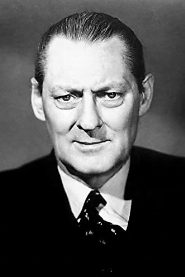
Director David Butler demonstrates a keen understanding of how to frame a star-centric project, ensuring that every scene focuses on the magnetism of its lead actress. The supporting performances, particularly those of Lionel Barrymore and Hattie McDaniel, add the necessary weight to balance the film’s lighter moments. This production will resonate primarily with enthusiasts of vintage Hollywood who enjoy exploring the roots of the family-drama genre. It acts as a time capsule, preserving a specific style of filmmaking that prioritized charm and moral clarity over complex subplots. By focusing on the healing power of familial bonds, the film remains a notable entry for those interested in the evolution of cinema and the enduring appeal of the bridge-building protagonist, a trope that continues to be a staple in storytelling cultures across the globe today.
Cast(14)