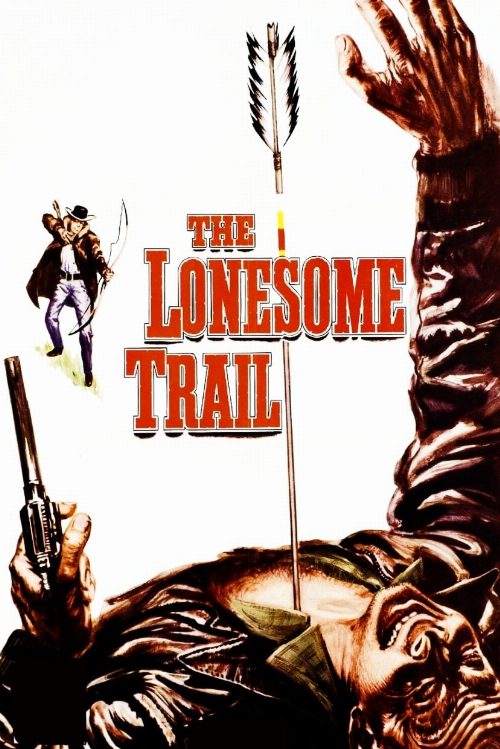
The Lonesome Trail(1955)
About The Lonesome Trail
Back from the Indian wars, a cowboy wages a single-handed war against a land baron and his henchmen. After his shooting hand is disabled, he masters the bow and arrow to take on the gang one arrow at a time!
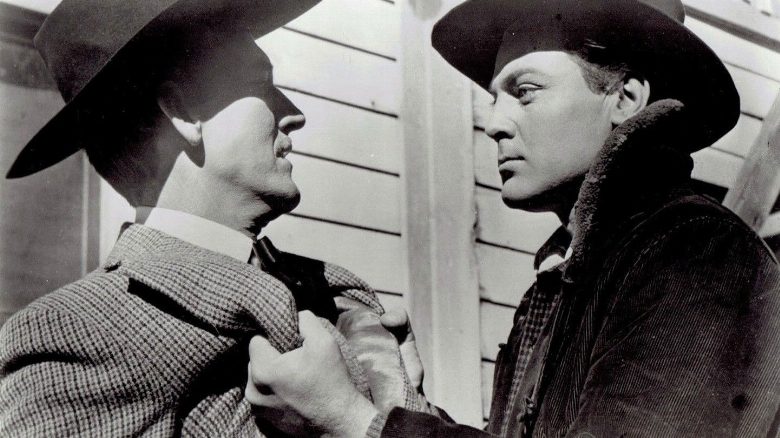
The mid-1950s represented a fascinating intersection for the American Western, a period where the genre began to experiment with internal tensions and more inventive combat mechanics. The Lonesome Trail stands out in this crowded landscape by trading the standard sidearm tropes for a far more tactile and archaic form of conflict. While most frontier tales of the era relied heavily on the classic six-shooter shootout, this production shifts the focus toward a protagonist forced to adapt after a career-altering injury. By centering the narrative on a man who must trade his gun for a bow and arrow, the film elevates a standard revenge premise into a study of resilience and tactical ingenuity. It captures that specific postwar sentiment where the violence of the battlefield follows a soldier home, refusing to remain in the past.
For those who follow the evolution of the genre, the film functions as a bridge between the traditional oaters of the early sound era and the more psychological, gritty Westerns that would define the following decade. Wayne Morris and John Agar bring a rugged, grounded energy that suits the desperate nature of the plot perfectly. The film is positioned as a lean, efficient piece of storytelling that avoids the bloated melodrama sometimes found in color epics of the time. It is an ideal pick for audiences who appreciate the stripped-back aesthetic of black-and-white cinematography and the classic trope of the lone underdog confronting a corrupt land baron. There is a primal satisfaction in watching a hero overcome his physical limitations to dismantle an organized, well-funded criminal operation using nothing but his own skill and newfound precision.
While our primary coverage at thebiographys focuses on the vibrant output of the Indian film industries, there is a clear thematic resonance between the lone crusader archetypes found in films like The Lonesome Trail and the iconic vigilantes seen in Telugu or Tamil cinema. The core concept of a man returning from conflict to find his home territory under siege by powerful, exploitative figures is a universal pillar of global action cinema. Whether it is a cowboy in the American West or a weary hero in a rustic Indian village, the struggle against systemic greed remains a compelling hook for any viewer. This 1955 release serves as a reminder of how simple, high-stakes narratives can transcend borders and decades. It remains a notable curiosity for anyone interested in how the Western genre toyed with its own conventions during a time of significant cultural transition.
Cast(11)