The March Sisters at Christmas(2012)
About The March Sisters at Christmas
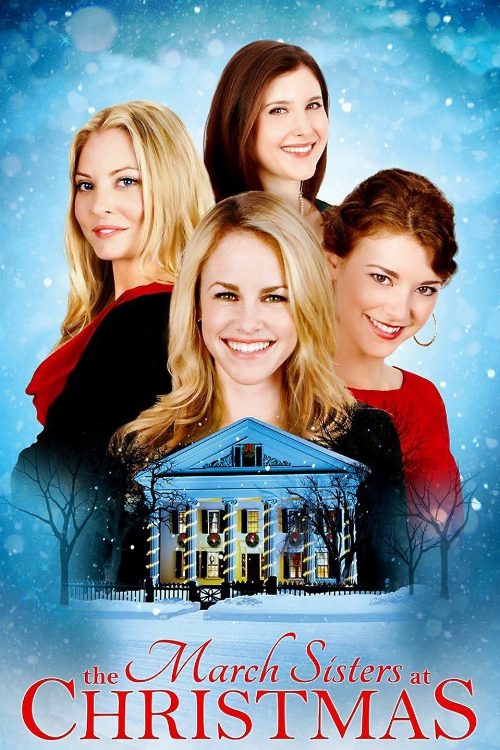
To keep the family home from being sold, four very modern March sisters tackle home improvement on their own. But their romantic entanglements involving the boy next door, an old flame and a new acquaintance become a distraction.
Adapting classic literature for the screen often feels like a tightrope walk between honoring the source material and finding a contemporary pulse, a challenge John Stimpson tackles with a lighthearted spirit in The March Sisters at Christmas. By transposing the essence of Louisa May Alcott into a modern suburban setting, the film moves away from the somber austerity of historical dramas and instead embraces the cozy, low-stakes comfort of holiday television. While global audiences are increasingly accustomed to high-octane spectacles, there remains a significant appetite for character-driven narratives that focus on domestic solidarity and the messy, relatable intersections of renovation and romance. This production effectively taps into that sentimentality, positioning itself as a nostalgic piece of comfort viewing that prioritizes emotional warmth over complex cinematic innovation.
The narrative hook revolves around the urgency of preserving a family legacy, a theme that resonates deeply across cultures, including those prevalent in the diverse landscapes of Indian cinema where family unity often serves as the moral bedrock of storytelling. The sisters are portrayed not as historical figures, but as contemporary women navigating the pressures of home ownership and career-driven lives. For viewers who enjoy the lighthearted sensibilities of romantic comedies found in Bollywood or the domestic dramas common in the Malayalam film industry, this movie offers a familiar structural template. It manages to balance the logistical headache of DIY home repair with the unpredictable nature of love, weaving in threads of rekindled relationships and the potential for new beginnings.
Kaitlin Doubleday leads an ensemble cast that anchors the story in a grounded, approachable reality, making the stakes feel personal rather than overly dramatic. John Shea brings a sense of gravitas to the proceedings, helping to bridge the gap between the traditional values of the original novel and the frantic pace of modern life. Fans of seasonal television will likely appreciate the film for its aesthetic consistency and its commitment to the spirit of the holidays. It is a tailor-made experience for those looking to unwind with a story that emphasizes the importance of sticking together during times of transition. By focusing on the bond between siblings who are forced to collaborate under pressure, the film delivers a charming exploration of resilience that fits perfectly within the tradition of festive ensemble comedies. Whether you are a fan of literary adaptations or simply in search of a feel-good story, this project serves as a gentle reminder that the most significant renovations often happen within ourselves.
Cast(10)