
About The Mirror Has Two Faces
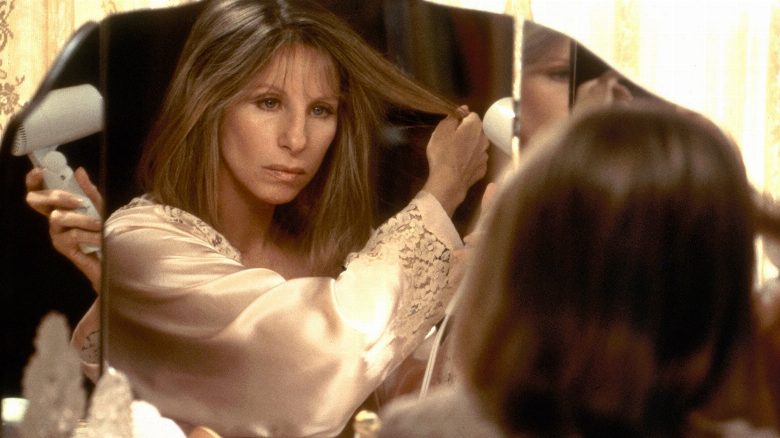
Rose Morgan, who still lives with her mother, is a professor of Romantic Literature who desperately longs for passion in her life. Gregory Larkin, a mathematics professor, has been burned by passionate relationships and longs for a sexless union based on friendship and respect.
Barbra Streisand crafts a poignant exploration of intimacy in The Mirror Has Two Faces, a film that remains a fascinating case study in the evolution of the romantic comedy genre. Set within the intellectually charged atmosphere of academia, the narrative pivots away from the traditional tropes of physical attraction to focus on the cerebral connection between two professors. While modern Indian cinema often explores the complexities of arranged versus love marriages, this classic American feature offers a Western mirror to those same themes, questioning whether a union built on mutual respect and shared intellectual interests can eventually bloom into something more profound. It is a refreshing departure from the era’s standard screen romances, favoring dialogue-driven chemistry over grand, sweeping gestures.
The film serves as an ideal watch for those who appreciate character-driven storytelling where the stakes are emotional rather than external. Streisand, who directs and stars, brings a distinct sensibility to the protagonist, Rose, a woman navigating the expectations of her mother and the limitations of her own perceived image. The dynamic between her and Jeff Bridges creates a compelling tension that resonates with viewers who enjoy films about self-discovery and the societal pressures surrounding beauty standards. For fans of global cinema who follow the trajectory of strong female leads, this performance highlights how a director can successfully steer a narrative that is both deeply personal and universally relatable. It manages to balance wit with a genuine exploration of vulnerability that few romantic dramas achieved during the nineties.
Beyond its core premise, the production functions as a bridge between the high-concept comedies of the past and the introspective dramas that dominate contemporary independent cinema. Its enduring appeal lies in its willingness to challenge the viewer to define what a successful long-term partnership actually looks like. By prioritizing the psychological landscape of its leads, the film invites a deeper engagement than a standard lighthearted comedy might offer. Whether you are a devotee of classic Hollywood storytelling or a cinephile interested in how different cultures approach the concept of companionship, this piece provides plenty of material to contemplate. It stands as a testament to the idea that a film does not always need to rely on typical sparks to ignite a meaningful conversation about love, commitment, and the pursuit of happiness.
Cast(43)